by Scott Muniz | Jan 28, 2022 | Security
This article was originally posted by the FTC. See the original article here.
Anyone who sells you contact lenses without first getting a copy of your prescription or properly verifying your prescription information with your prescriber is selling them illegally — and putting your eye health at risk. That’s because wearing contacts that haven’t been fitted to your eyes can cause corneal scratches, eye sores and irritation, and conjunctivitis (pink eye).
The FTC just filed a complaint against Vision Path, doing business as Hubble, alleging that the company failed to get or properly verify contact lens prescription information submitted by customers, sold lenses after prescription verification requests were denied, altered prescriptions from the prescribed brands to Hubble lenses, and failed to maintain required records.
The complaint also alleges that Hubble deceptively claimed it would ensure customers got lenses with valid and accurate prescriptions, as determined by their eye care provider; falsely claimed that certain consumer reviews were independent when they were not; and failed to disclose material connections between Hubble and some reviewers.
The next time you’re shopping for contact lenses, remember that under the Contact Lens Rule:
- Sellers must have a process for verifying prescriptions. This includes letting you submit a copy of your contact lens prescription. If you don’t submit your prescription, but instead give your prescription information, the seller must verify your prescription information with your prescriber.
- Sellers must not substitute another brand of contact lens for the one prescribed. If you want a different brand than the one written on your prescription, you’ll need your eye care provider’s approval. The only time you don’t need your provider’s approval to switch brands is if a manufacturer offers a brand name and a generic or store brand version of the same lens.
If you come across someone selling contact lenses without getting or properly verifying a prescription, take your business elsewhere and report it to the FTC at ReportFraud.ftc.gov.
For a more in-depth look at your prescription rights for contacts — and glasses — read Buying Prescription Glasses or Contact Lenses: Your Rights. Your eyes will thank you.
Brought to you by Dr. Ware, Microsoft Office 365 Silver Partner, Charleston SC.

by Scott Muniz | Jan 27, 2022 | Security, Technology
This article is contributed. See the original author and article here.
Official websites use .gov
A .gov website belongs to an official government organization in the United States.

Secure .gov websites use HTTPS
A
lock ( )
) or
https:// means you’ve safely connected to the .gov website. Share sensitive information only on official, secure websites.
by Scott Muniz | Jan 27, 2022 | Security
This article was originally posted by the FTC. See the original article here.
In 2021, more than 95,000 people told the FTC that they’d been scammed with a con that started on social media. In fact, more than one in four people who reported to the FTC that they lost money to any scam said the transaction started with a post, an ad, or a message on a social media platform. And the losses amount to about $770 million.
Today’s
Data Spotlight gives us insights into how scammers use social media to con people. Reports point to rampant investment, romance, and online shopping scams on social. People reported losing the most money to investment scams (particularly those involving bogus cryptocurrency investments) and romance scams. More than a third of the people who lost money to romance scams said it started on Facebook or Instagram.
The largest number of reports came from people who lost money trying to buy something they saw marketed on social media. Most said they didn’t get the stuff they paid for, while some reported ads that impersonated a real online retailer. Reports of social media fraud increased for all age groups in 2021, but people 18 to 39 were more than twice as likely to report losing money than older adults.
Scammers trying to get your money are always looking for new ways to reach people. And they’ll use whatever they know about you to target their pitch. Here are some things to do to protect yourself, no matter which social media platform you use:
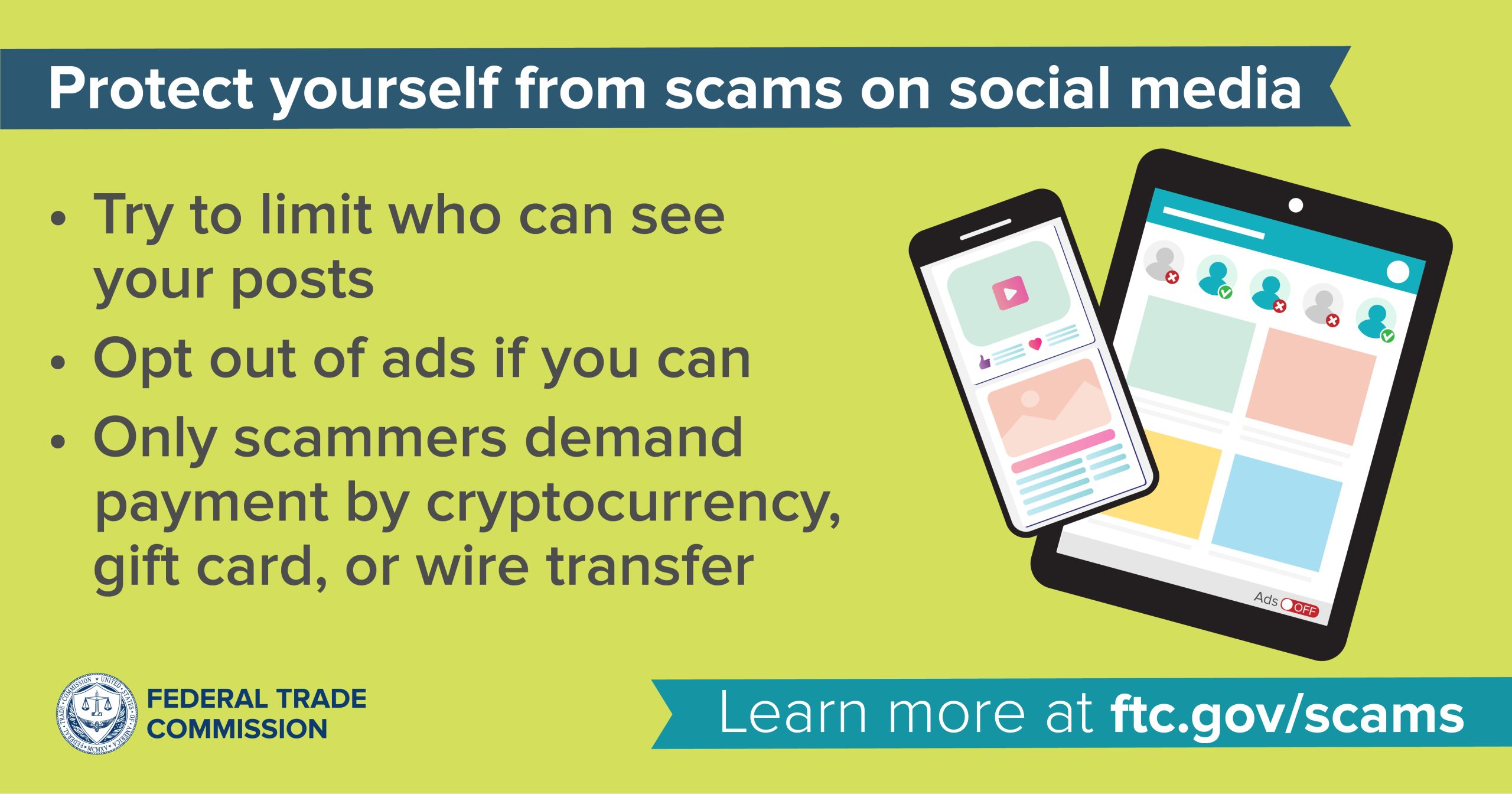
- Try to limit who can see your posts and information on social media. Of course, all platforms collect information about you from your activities on social media, but visit your privacy settings to set some restrictions.
- Check if you can opt out of targeted advertising. Some platforms let you do that.
- If you see urgent messages from a “friend” asking for money, stop. It could be a hacker behind that post pretending to be your friend.
- Check out a company before you buy. Read Shopping Online for advice.
- Don’t deal with a vendor that requires payment by cryptocurrency, gift card, or wire transfer. That’s sure to be a scam.
Brought to you by Dr. Ware, Microsoft Office 365 Silver Partner, Charleston SC.
by Scott Muniz | Jan 27, 2022 | Security, Technology
This article is contributed. See the original author and article here.
Official websites use .gov
A .gov website belongs to an official government organization in the United States.
Secure .gov websites use HTTPS
A
lock () or
https:// means you’ve safely connected to the .gov website. Share sensitive information only on official, secure websites.
by Scott Muniz | Jan 25, 2022 | Security
This article was originally posted by the FTC. See the original article here.
Shopping for clothes online can be fun and convenient, but it lacks the in-person experience of trying them on, touching the fabrics, and checking for quality. That’s why so many online shoppers turn to honest customer reviews for help. But when an online retailer cherry picks only the positive reviews for posting, the result is anything but honest.
If a company suggests that the reviews on its website reflect the views of all buyers who submitted reviews, it’s against the law for the company to NOT post negative reviews. According to the FTC [link to press release], online retailer Fashion Nova did just that. The FTC says that Fashion Nova broke the law when it failed to post hundreds of thousands of negative reviews that people submitted.
What does this mean for you and other online fashionistas? Well, for one thing, Fashion Nova must not make any further misrepresentations about customer reviews or other endorsements.
Here are some things to consider the next time you’re using online reviews to buy clothing – or anything else:
- Think about the source of the reviews you’re reading. What do you know about the reviewers – or the site they’ve posted on – that makes them trustworthy?
- Compare reviews from a variety of well-known sources, not just the seller’s site.
- Start with websites recognized for having credible and impartial expert reviews.
For more information, see Online Shopping and How To Evaluate Online Reviews.
Brought to you by Dr. Ware, Microsoft Office 365 Silver Partner, Charleston SC.
by Scott Muniz | Jan 24, 2022 | Security
This article was originally posted by the FTC. See the original article here.
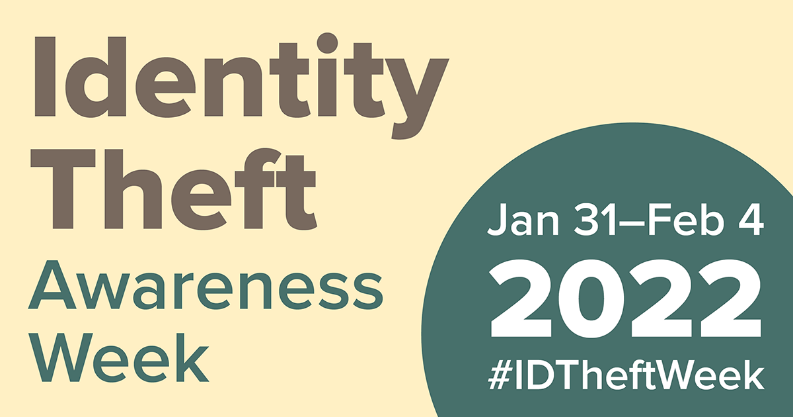
Identity Theft Awareness Week starts next Monday but if you’re an early bird, check out a special free webinar tomorrow and get a jump on the week’s events.
Experts from the Department of Veterans Affairs, United States Postal Inspection Service, and Federal Trade Commission will discuss privacy and identity theft issues important to all of us, and also issues that directly impact veterans and their families. The virtual panel discussion, Evolving Identity Theft Tactics & Protections, is set for Tuesday, January 25, at 1-2 p.m. ET. Join us using this link.
We hope you’ll also join us for Identity Theft Awareness Week, January 31-Februray 4, as the FTC and its partners host free webinars, podcasts, and other events. You’ll learn how to detect identity theft, help protect against it, and recover if identity theft occurs. And every day next week you’ll find a blog post here, covering a trending identity theft topic.
Identity theft can happen to anyone — but tell your friends and family that, next week, they can join the FTC and its partners to spot, avoid, and protect themselves. And if identity theft happens to you, please visit IdentityTheft.gov, the government’s one-stop resource for reporting and recovering from identity theft.
We hope to see you during Identity Theft Awareness Week to share information about how identity thieves operate, and how to lower your risk. Keep up with the events at ftc.gov/idtheftweek and follow along on social media: #idtheftweek.
Brought to you by Dr. Ware, Microsoft Office 365 Silver Partner, Charleston SC.


Recent Comments