by Scott Muniz | Jan 4, 2021 | Security, Technology
This article is contributed. See the original author and article here.
aminocom — cpe_wan_management_protocol
|
Command Injection in the CPE WAN Management Protocol (CWMP) registration in Amino Communications AK45x series, AK5xx series, AK65x series, Aria6xx series, Aria7/AK7Xx series and Kami7B allows man-in-the-middle attackers to execute arbitrary commands with root level privileges. |
2020-12-30 |
not yet calculated |
CVE-2020-10209
MISC |
| aminocom — entonewebengine |
Command Injection in EntoneWebEngine in Amino Communications AK45x series, AK5xx series, AK65x series, Aria6xx series, Aria7/AK7Xx series and Kami7B allows authenticated remote attackers to execute arbitrary commands with root user privileges. |
2020-12-30 |
not yet calculated |
CVE-2020-10208
MISC |
aminocom — entonewebengine
|
Use of Hard-coded Credentials in EntoneWebEngine in Amino Communications AK45x series, AK5xx series, AK65x series, Aria6xx series, Aria7/AK7Xx series and Kami7B allows remote attackers to retrieve and modify the device settings. |
2020-12-29 |
not yet calculated |
CVE-2020-10207
MISC |
aminocom — ssh_keys
|
Because of hard-coded SSH keys for the root user in Amino Communications AK45x series, AK5xx series, AK65x series, Aria6xx series, Aria7/AK7Xx series, Kami7B, an attacker may remotely log in through SSH. |
2020-12-29 |
not yet calculated |
CVE-2020-10210
MISC |
aminocom — vncserver
|
Use of a Hard-coded Password in VNCserver in Amino Communications AK45x series, AK5xx series, AK65x series, Aria6xx series, Aria7/AK7Xx series and Kami7B allows local attackers to view and interact with the video output of the device. |
2020-12-30 |
not yet calculated |
CVE-2020-10206
MISC |
arista — eos
|
An issue with ARP packets in Arista’s EOS affecting the 7800R3, 7500R3, and 7280R3 series of products may result in issues that cause a kernel crash, followed by a device reload. The affected Arista EOS versions are: 4.24.2.4F and below releases in the 4.24.x train; 4.23.4M and below releases in the 4.23.x train; 4.22.6M and below releases in the 4.22.x train. |
2020-12-28 |
not yet calculated |
CVE-2020-24360
CONFIRM |
arista — eos
|
In EVPN VxLAN setups in Arista EOS, specific malformed packets can lead to incorrect MAC to IP bindings and as a result packets can be incorrectly forwarded across VLAN boundaries. This can result in traffic being discarded on the receiving VLAN. This affects versions: 4.21.12M and below releases in the 4.21.x train; 4.22.7M and below releases in the 4.22.x train; 4.23.5M and below releases in the 4.23.x train; 4.24.2F and below releases in the 4.24.x train. |
2020-12-28 |
not yet calculated |
CVE-2020-26569
CONFIRM |
arista — eos
|
In Arista EOS malformed packets can be incorrectly forwarded across VLAN boundaries in one direction. This vulnerability is only susceptible to exploitation by unidirectional traffic (ex. UDP) and not bidirectional traffic (ex. TCP). This affects: EOS 7170 platforms version 4.21.4.1F and below releases in the 4.21.x train; EOS X-Series versions 4.21.11M and below releases in the 4.21.x train; 4.22.6M and below releases in the 4.22.x train; 4.23.4M and below releases in the 4.23.x train; 4.24.2.1F and below releases in the 4.24.x train. |
2020-12-28 |
not yet calculated |
CVE-2020-15898
CONFIRM |
bolt — bolt
|
Bolt before 3.7.2 does not restrict filter options in a Request in the Twig context, and is therefore inconsistent with the “How to Harden Your PHP for Better Security” guidance. |
2020-12-30 |
not yet calculated |
CVE-2020-28925
MISC
MISC |
cbor — cbor
|
An issue was discovered in the serde_cbor crate before 0.10.2 for Rust. The CBOR deserializer can cause stack consumption via nested semantic tags. |
2020-12-31 |
not yet calculated |
CVE-2019-25001
MISC |
charging_limit_current_write — charging_limit_current_write
|
In functions charging_limit_current_write and charging_limit_time_write in /SM8250_Q_Master/android/vendor/oppo_charger/oppo/oppo_charger.c have not checked the parameters, which causes a vulnerability. |
2020-12-31 |
not yet calculated |
CVE-2020-11832
MISC |
cockpit-project.org — cockpit_234
|
** DISPUTED ** An SSRF issue was discovered in cockpit-project.org Cockpit 234. NOTE: this is unrelated to the Agentejo Cockpit product. NOTE: the vendor states “I don’t think [it] is a big real-life issue.” |
2020-12-30 |
not yet calculated |
CVE-2020-35850
MISC
MISC |
d-link — dap-1650_devices
|
An issue was discovered on D-Link DAP-1650 devices through v1.03b07 before 1.04B02_J65H Hot Fix. Attackers can bypass authentication via forceful browsing. |
2020-12-30 |
not yet calculated |
CVE-2019-12768
MISC |
dotcms — dotcms
|
dotCMS before 20.10.1 allows SQL injection, as demonstrated by the /api/v1/containers orderby parameter. The PaginatorOrdered classes that are used to paginate results of a REST endpoints do not sanitize the orderBy parameter and in some cases it is vulnerable to SQL injection attacks. A user must be an authenticated manager in the dotCMS system to exploit this vulnerability. |
2020-12-30 |
not yet calculated |
CVE-2020-27848
CONFIRM
MISC |
draytek — vigot2960
|
DrayTek Vigor2960 1.5.1 allows remote command execution via shell metacharacters in a toLogin2FA action to mainfunction.cgi. |
2020-12-31 |
not yet calculated |
CVE-2020-19664
MISC
MISC |
dropbear — dropbear
|
Dropbear 2011.54 through 2018.76 has an inconsistent failure delay that may lead to revealing valid usernames, a different issue than CVE-2018-15599. |
2020-12-30 |
not yet calculated |
CVE-2019-12953
MISC |
drupal — aes_encryption
|
The AES encryption project 7.x and 8.x for Drupal does not sufficiently prevent attackers from decrypting data, aka SA-CONTRIB-2017-027. NOTE: This project is not covered by Drupal’s security advisory policy. |
2021-01-01 |
not yet calculated |
CVE-2017-20001
MISC |
drupal — kcfinder_integration
|
uploader.php in the KCFinder integration project through 2018-06-01 for Drupal mishandles validation, aka SA-CONTRIB-2018-024. NOTE: This project is not covered by Drupal’s security advisory policy. |
2021-01-01 |
not yet calculated |
CVE-2018-25002
MISC
MISC
MISC |
drupal — rest/json
|
The REST/JSON project 7.x-1.x for Drupal allows comment access bypass, aka SA-CONTRIB-2016-033. NOTE: This project is not covered by Drupal’s security advisory policy. |
2021-01-01 |
not yet calculated |
CVE-2016-20002
MISC |
drupal — rest/json
|
The REST/JSON project 7.x-1.x for Drupal allows node access bypass, aka SA-CONTRIB-2016-033. NOTE: This project is not covered by Drupal’s security advisory policy. |
2021-01-01 |
not yet calculated |
CVE-2016-20001
MISC |
drupal — rest/json
|
The REST/JSON project 7.x-1.x for Drupal allows session enumeration, aka SA-CONTRIB-2016-033. NOTE: This project is not covered by Drupal’s security advisory policy. |
2021-01-01 |
not yet calculated |
CVE-2016-20008
MISC |
drupal — rest/json
|
The REST/JSON project 7.x-1.x for Drupal allows user enumeration, aka SA-CONTRIB-2016-033. NOTE: This project is not covered by Drupal’s security advisory policy. |
2021-01-01 |
not yet calculated |
CVE-2016-20003
MISC |
drupal — rest/json
|
The REST/JSON project 7.x-1.x for Drupal allows field access bypass, aka SA-CONTRIB-2016-033. NOTE: This project is not covered by Drupal’s security advisory policy. |
2021-01-01 |
not yet calculated |
CVE-2016-20004
MISC |
drupal — rest/json
|
The REST/JSON project 7.x-1.x for Drupal allows user registration bypass, aka SA-CONTRIB-2016-033. NOTE: This project is not covered by Drupal’s security advisory policy. |
2021-01-01 |
not yet calculated |
CVE-2016-20005
MISC |
drupal — rest/json
|
The REST/JSON project 7.x-1.x for Drupal allows blockage of user logins, aka SA-CONTRIB-2016-033. NOTE: This project is not covered by Drupal’s security advisory policy. |
2021-01-01 |
not yet calculated |
CVE-2016-20006
MISC |
drupal — rest/json
|
The REST/JSON project 7.x-1.x for Drupal allows session name guessing, aka SA-CONTRIB-2016-033. NOTE: This project is not covered by Drupal’s security advisory policy. |
2021-01-01 |
not yet calculated |
CVE-2016-20007
MISC |
drupal — webform_report
|
The Webform Report project 7.x-1.x-dev for Drupal allows remote attackers to view submissions by visiting the /rss.xml page. NOTE: This project is not covered by Drupal’s security advisory policy. |
2021-01-01 |
not yet calculated |
CVE-2019-25012
MISC |
| egavilanmedia — egavilanmedia |
EGavilanMedia User Registration and Login System With Admin Panel 1.0 is affected by cross-site scripting (XSS) in the Admin Panel – Manage User tab using the Full Name of the user. This vulnerability can result in the attacker injecting the XSS payload in the User Registration section and each time admin visits the manage user section from the admin panel, the XSS triggers and the attacker can steal the cookie according to the crafted payload. |
2020-12-30 |
not yet calculated |
CVE-2020-29230
MISC
MISC |
| egavilanmedia — egavilanmedia |
EGavilanMedia User Registration and Login System With Admin Panel 1.0 is affected by cross-site scripting (XSS) in the Admin Profile Page. This vulnerability can result in the attacker injecting the XSS payload in Admin Full Name and each time admin visits the Profile page from the admin panel, the XSS triggers. |
2020-12-30 |
not yet calculated |
CVE-2020-29231
MISC
MISC |
egavilanmedia — egavilanmedia
|
EGavilanMedia User Registration and Login System With Admin Panel 1.0 is affected by SQL injection in the User Login Page. |
2020-12-30 |
not yet calculated |
CVE-2020-29228
MISC
MISC |
electron — zonote
|
zonote through 0.4.0 allows XSS via a crafted note, with resultant Remote Code Execution (because nodeIntegration in webPreferences is true). |
2021-01-01 |
not yet calculated |
CVE-2020-35717
MISC
MISC
MISC |
exponentcms — exponent_cms
|
Exponent CMS before 2.6.0 has improper input validation in cron/find_help.php. |
2020-12-31 |
not yet calculated |
CVE-2016-9023
MISC
MISC |
exponentcms — exponent_cms
|
Exponent CMS before 2.6.0 has improper input validation in storeController.php. |
2020-12-31 |
not yet calculated |
CVE-2016-9021
MISC
MISC |
exponentcms — exponent_cms
|
Exponent CMS before 2.6.0 has improper input validation in usersController.php. |
2020-12-31 |
not yet calculated |
CVE-2016-9022
MISC
MISC |
exponentcms — exponent_cms
|
Exponent CMS before 2.6.0 has improper input validation in purchaseOrderController.php. |
2020-12-31 |
not yet calculated |
CVE-2016-9025
MISC
MISC |
exponentcms — exponent_cms
|
Exponent CMS before 2.6.0 has improper input validation in fileController.php. |
2020-12-31 |
not yet calculated |
CVE-2016-9026
MISC
MISC |
foxitsoftware — foxit_reader
|
An issue was discovered in Foxit Reader before 10.1.1 (and before 4.1.1 on macOS) and PhantomPDF before 9.7.5 and 10.x before 10.1.1 (and before 4.1.1 on macOS). An attacker can spoof a certified PDF document via an Evil Annotation Attack because the products fail to consider a null value for a Subtype entry of the Annotation dictionary, in an incremental update. |
2020-12-31 |
not yet calculated |
CVE-2020-35931
MISC |
golang — docker_engine
|
util/binfmt_misc/check.go in Builder in Docker Engine before 19.03.9 calls os.OpenFile with a potentially unsafe qemu-check temporary pathname, constructed with an empty first argument in an ioutil.TempDir call. |
2020-12-30 |
not yet calculated |
CVE-2020-27534
MISC
MISC
MISC
MISC
MISC |
golang — go
|
In x/text in Go 1.15.4, an “index out of range” panic occurs in language.ParseAcceptLanguage while parsing the -u- extension. (x/text/language is supposed to be able to parse an HTTP Accept-Language header.) |
2021-01-02 |
not yet calculated |
CVE-2020-28851
MISC |
golang — go
|
In x/text in Go 1.15.4, a “slice bounds out of range” panic occurs in language.ParseAcceptLanguage while processing a BCP 47 tag. (x/text/language is supposed to be able to parse an HTTP Accept-Language header.) |
2021-01-02 |
not yet calculated |
CVE-2020-28852
MISC |
google — flatbuffers
|
An issue was discovered in the flatbuffers crate before 0.6.1 for Rust. Arbitrary bytes can be reinterpreted as a bool, defeating soundness. |
2020-12-31 |
not yet calculated |
CVE-2019-25004
MISC |
google — flatbuffers
|
An issue was discovered in the flatbuffers crate through 2020-04-11 for Rust. read_scalar (and read_scalar_at) can transmute values without unsafe blocks. |
2020-12-31 |
not yet calculated |
CVE-2020-35864
MISC |
green_packet — wimax_dv-360_devices
|
Green Packet WiMax DV-360 2.10.14-g1.0.6.1 devices allow Command Injection, with unauthenticated remote command execution, via a crafted payload to the HTTPS port, because lighttpd listens on all network interfaces (including the external Internet) by default. NOTE: this may overlap CVE-2017-9980. |
2020-12-31 |
not yet calculated |
CVE-2018-14067
MISC |
gssproxy — gssproxy
|
gssproxy (aka gss-proxy) before 0.8.3 does not unlock cond_mutex before pthread exit in gp_worker_main() in gp_workers.c. |
2020-12-31 |
not yet calculated |
CVE-2020-12658
MISC
MISC
MISC |
| hgiga — mailsherlock |
The function, view the source code, of HGiga MailSherlock does not validate specific characters. Remote attackers can use this flaw to download arbitrary system files. |
2020-12-31 |
not yet calculated |
CVE-2020-25850
MISC |
hgiga — mailsherlock
|
HGiga MailSherlock does not validate specific URL parameters properly that allows attackers to inject JavaScript syntax for XSS attacks. |
2020-12-31 |
not yet calculated |
CVE-2020-35740
MISC |
hgiga — mailsherlock
|
HGiga MailSherlock contains a SQL injection flaw. Attackers can inject and launch SQL commands in a URL parameter of specific cgi pages. |
2020-12-31 |
not yet calculated |
CVE-2020-35743
MISC |
hgiga — mailsherlock
|
HGiga MailSherlock contains a vulnerability of SQL Injection. Attackers can inject and launch SQL commands in a URL parameter. |
2020-12-31 |
not yet calculated |
CVE-2020-35742
MISC |
hgiga — mailsherlock
|
HGiga MailSherlock does not validate user parameters on multiple login pages. Attackers can use the vulnerability to inject JavaScript syntax for XSS attacks. |
2020-12-31 |
not yet calculated |
CVE-2020-35741
MISC |
hgiga — mailsherlock
|
HGiga MailSherlock does not validate specific parameters properly. Attackers can use the vulnerability to launch Command inject attacks remotely and execute arbitrary commands of the system. |
2020-12-31 |
not yet calculated |
CVE-2020-35851
MISC |
hgiga — mailsherlock
|
HGiga MailSherlock contains weak authentication flaw that attackers grant privilege remotely with default password generation mechanism. |
2020-12-31 |
not yet calculated |
CVE-2020-25848
MISC |
hyperium — http
|
An issue was discovered in the http crate before 0.1.20 for Rust. HeaderMap::reserve() has an integer overflow that allows attackers to cause a denial of service. |
2020-12-31 |
not yet calculated |
CVE-2019-25008
MISC |
hyperium — hyper
|
An issue was discovered in the hyper crate before 0.12.34 for Rust. HTTP request smuggling can occur. Remote code execution can occur in certain situations with an HTTP server on the loopback interface. |
2020-12-31 |
not yet calculated |
CVE-2020-35863
MISC |
invision_community — invision_community
|
Invision Community 4.5.4 is affected by cross-site scripting (XSS) in the Field Name field. This vulnerability can allow an attacker to inject the XSS payload in Field Name and each time any user will open that, the XSS triggers and the attacker can able to steal the cookie according to the crafted payload. |
2020-12-30 |
not yet calculated |
CVE-2020-29477
MISC
MISC |
italoantunes — vidyo
|
Vidyo 02-09-/D allows clickjacking via the portal/ URI. |
2020-12-29 |
not yet calculated |
CVE-2020-35735
MISC
MISC |
jira — xwiki
|
XWiki Platform before 12.8 mishandles escaping in the property displayer. |
2020-12-31 |
not yet calculated |
CVE-2020-13654
MISC
CONFIRM
MISC |
libsecp256k1 — libsecp256k1
|
An issue was discovered in the libsecp256k1 crate before 0.3.1 for Rust. Scalar::check_overflow allows a timing side-channel attack; consequently, attackers can obtain sensitive information. |
2020-12-31 |
not yet calculated |
CVE-2019-25003
MISC |
| limesurvey — limesurvey |
LimeSurvey 3.21.1 is affected by cross-site scripting (XSS) in the Quota component of the Survey page. When the survey quota being viewed, e.g. by an administrative user, the JavaScript code will be executed in the browser. |
2020-12-31 |
not yet calculated |
CVE-2020-25799
MISC
MISC |
limesurvey — limesurvey
|
LimeSurvey 3.21.1 is affected by cross-site scripting (XSS) in the Add Participants Function (First and last name parameters). When the survey participant being edited, e.g. by an administrative user, the JavaScript code will be executed in the browser. |
2020-12-31 |
not yet calculated |
CVE-2020-25797
MISC
MISC |
linbit — csync2
|
An issue was discovered in LINBIT csync2 through 2.0. It does not correctly check for the return value GNUTLS_E_WARNING_ALERT_RECEIVED of the gnutls_handshake() function. It neglects to call this function again, as required by the design of the API. |
2020-12-30 |
not yet calculated |
CVE-2019-15523
MISC |
mantisbt — mantisbt
|
An issue was discovered in MantisBT before 2.24.4. An incorrect access check in bug_revision_view_page.php allows an unprivileged attacker to view the Summary field of private issues, as well as bugnotes revisions, gaining access to potentially confidential information via the bugnote_id parameter. |
2020-12-30 |
not yet calculated |
CVE-2020-35849
MISC |
mantisbt — mantisbt
|
In MantisBT 2.24.3, SQL Injection can occur in the parameter “access” of the mc_project_get_users function through the API SOAP. |
2020-12-30 |
not yet calculated |
CVE-2020-28413
MISC |
matrixssl — matrixssl
|
In MatrixSSL before 4.2.2 Open, the DTLS server can encounter an invalid pointer free (leading to memory corruption and a daemon crash) via a crafted incoming network message, a different vulnerability than CVE-2019-14431. |
2020-12-30 |
not yet calculated |
CVE-2019-16747
CONFIRM
MISC
CONFIRM |
nayutaco — ptarmigan
|
Ptarmigan before 0.2.3 lacks API token validation, e.g., an “if (token === apiToken) {return true;} return false;” code block. |
2020-12-30 |
not yet calculated |
CVE-2019-16281
MISC
MISC
MISC |
netbox_community — netbox
|
NetBox through 2.6.2 allows an Authenticated User to conduct an XSS attack against an admin via a GFM-rendered field, as demonstrated by /dcim/sites/add/ comments. |
2020-12-31 |
not yet calculated |
CVE-2019-25011
MISC
MISC |
netgear — multiple_devices
|
Certain NETGEAR devices are affected by command injection by an unauthenticated attacker. This affects R6400v2 before 1.0.4.84, R6700v3 before 1.0.4.84, R6900P before 1.3.2.124, R7000 before 1.0.11.100, R7000P before 1.3.2.124, R7800 before 1.0.2.74, R7850 before 1.0.5.60, R7900 before 1.0.4.26, R7960P before 1.4.1.50, R8000 before 1.0.4.52, R7900P before 1.4.1.50, R8000P before 1.4.1.50, RAX15 before 1.0.1.64, RAX20 before 1.0.1.64, RAX200 before 1.0.1.12, RAX45 before 1.0.2.66, RAX50 before 1.0.2.66, RAX75 before 1.0.3.102, RAX80 before 1.0.3.102, RBK752 before 3.2.16.6, RBR750 before 3.2.16.6, RBS750 before 3.2.16.6, RBK852 before 3.2.15.25, RBR850 before 3.2.15.25, RBS850 before 3.2.15.25, RBK842 before 3.2.15.25, RBR840 before 3.2.15.25, RBS840 before 3.2.15.25, RS400 before 1.5.0.48, and XR300 before 1.0.3.50. |
2020-12-30 |
not yet calculated |
CVE-2020-35798
MISC |
netgear — multiple_devices
|
Certain NETGEAR devices are affected by Stored XSS. This affects D7800 before 1.0.1.56, R7500v2 before 1.0.3.46, R7800 before 1.0.2.68, R8900 before 1.0.4.28, R9000 before 1.0.4.28, XR500 before 2.3.2.56, XR700 before 1.0.1.10, and RAX120 before 1.0.0.78. |
2020-12-30 |
not yet calculated |
CVE-2020-35839
MISC |
netgear — multiple_devices
|
Certain NETGEAR devices are affected by stored XSS. This affects D7800 before 1.0.1.56, R7800 before 1.0.2.74, R8900 before 1.0.4.28, R9000 before 1.0.4.28, RAX120 before 1.0.0.78, RBK20 before 2.3.5.26, RBR20 before 2.3.5.26, RBS20 before 2.3.5.26, RBK40 before 2.3.5.30, RBR40 before 2.3.5.30, RBS40 before 2.3.5.30, RBK50 before 2.3.5.30, RBR50 before 2.3.5.30, RBS50 before 2.3.5.30, XR500 before 2.3.2.56, and XR700 before 1.0.1.10. |
2020-12-30 |
not yet calculated |
CVE-2020-35829
MISC |
netgear — multiple_devices
|
Certain NETGEAR devices are affected by stored XSS. This affects D7800 before 1.0.1.56, R7800 before 1.0.2.74, R8900 before 1.0.4.28, R9000 before 1.0.4.28, RAX120 before 1.0.0.78, RBK20 before 2.3.5.26, RBR20 before 2.3.5.26, RBS20 before 2.3.5.26, RBK40 before 2.3.5.30, RBR40 before 2.3.5.30, RBS40 before 2.3.5.30, RBK50 before 2.3.5.30, RBR50 before 2.3.5.30, RBS50 before 2.3.5.30, XR500 before 2.3.2.56, and XR700 before 1.0.1.10. |
2020-12-30 |
not yet calculated |
CVE-2020-35814
MISC |
netgear — multiple_devices
|
Certain NETGEAR devices are affected by stored XSS. This affects D7800 before 1.0.1.56, R7500v2 before 1.0.3.46, R7800 before 1.0.2.68, R8900 before 1.0.4.28, R9000 before 1.0.4.28, RAX120 before 1.0.0.78, RBK50 before 2.3.5.30, RBR50 before 2.3.5.30, RBS50 before 2.3.5.30, XR500 before 2.3.2.56, and XR700 before 1.0.1.10. |
2020-12-30 |
not yet calculated |
CVE-2020-35831
MISC |
netgear — multiple_devices
|
Certain NETGEAR devices are affected by stored XSS. This affects D7800 before 1.0.1.56, R7500v2 before 1.0.3.46, R7800 before 1.0.2.68, R8900 before 1.0.4.28, R9000 before 1.0.4.28, RAX120 before 1.0.0.78, RBK20 before 2.3.5.26, RBR20 before 2.3.5.26, RBS20 before 2.3.5.26, RBK40 before 2.3.5.30, RBR40 before 2.3.5.30, RBS40 before 2.3.5.30, RBK50 before 2.3.5.30, RBR50 before 2.3.5.30, RBS50 before 2.3.5.30, XR500 before 2.3.2.56, and XR700 before 1.0.1.10. |
2020-12-30 |
not yet calculated |
CVE-2020-35832
MISC |
netgear — multiple_devices
|
Certain NETGEAR devices are affected by stored XSS. This affects D7800 before 1.0.1.56, R7500v2 before 1.0.3.46, R7800 before 1.0.2.68, R8900 before 1.0.4.28, R9000 before 1.0.4.28, RAX120 before 1.0.0.78, RBK20 before 2.3.5.26, RBR20 before 2.3.5.26, RBS20 before 2.3.5.26, RBK40 before 2.3.5.30, RBR40 before 2.3.5.30, RBS40 before 2.3.5.30, RBK50 before 2.3.5.30, RBR50 before 2.3.5.30, RBS50 before 2.3.5.30, XR500 before 2.3.2.56, and XR700 before 1.0.1.10. |
2020-12-30 |
not yet calculated |
CVE-2020-35833
MISC |
netgear — multiple_devices
|
Certain NETGEAR devices are affected by stored XSS. This affects D7800 before 1.0.1.56, RBK50 before 2.3.5.30, RBR50 before 2.3.5.30, RBS50 before 2.3.5.30, RBK40 before 2.3.5.30, RBR40 before 2.3.5.30, RBS40 before 2.3.5.30, RBK20 before 2.3.5.26, RBR20 before 2.3.5.26, RBS20 before 2.3.5.26, XR700 before 1.0.1.10, R7500v2 before 1.0.3.46, R7800 before 1.0.2.74, R8900 before 1.0.4.28, R9000 before 1.0.4.28, XR500 before 2.3.2.56, and RAX120 before 1.0.0.78. |
2020-12-30 |
not yet calculated |
CVE-2020-35813
MISC |
netgear — multiple_devices
|
Certain NETGEAR devices are affected by stored XSS. This affects D6200 before 1.1.00.38, D7000 before 1.0.1.78, JNR1010v2 before 1.1.0.62, JR6150 before 1.0.1.24, JWNR2010v5 before 1.1.0.62, R6020 before 1.0.0.42, R6050 before 1.0.1.24, R6080 before 1.0.0.42, R6120 before 1.0.0.66, R6220 before 1.1.0.100, R6260 before 1.1.0.76, R6700v2 before 1.2.0.62, R6800 before 1.2.0.62, R6900v2 before 1.2.0.62, R7450 before 1.2.0.62, WNR1000v4 before 1.1.0.62, WNR2020 before 1.1.0.62, and WNR2050 before 1.1.0.62. |
2020-12-30 |
not yet calculated |
CVE-2020-35841
MISC |
netgear — multiple_devices
|
Certain NETGEAR devices are affected by stored XSS. This affects D7800 before 1.0.1.56, R7500v2 before 1.0.3.46, R7800 before 1.0.2.68, R8900 before 1.0.4.28, R9000 before 1.0.4.28, RAX120 before 1.0.0.78, RBK40 before 2.3.5.30, RBR40 before 2.3.5.30, RBS40 before 2.3.5.30, RBK20 before 2.3.5.26, RBR20 before 2.3.5.26, RBS20 before 2.3.5.26, RBK50 before 2.3.5.30, RBR50 before 2.3.5.30, RBS50 before 2.3.5.30, XR500 before 2.3.2.56, and XR700 before 1.0.1.10. |
2020-12-30 |
not yet calculated |
CVE-2020-35812
MISC |
netgear — multiple_devices
|
Certain NETGEAR devices are affected by disclosure of sensitive information. This affects D6200 before 1.1.00.40, D7000 before 1.0.1.78, R6020 before 1.0.0.46, R6080 before 1.0.0.46, R6120 before 1.0.0.72, R6220 before 1.1.0.100, R6230 before 1.1.0.100, R6260 before 1.1.0.76, R6700v2 before 1.2.0.74, R6800 before 1.2.0.74, R6900v2 before 1.2.0.74, R7450 before 1.2.0.74, AC2100 before 1.2.0.74, AC2400 before 1.2.0.74, and AC2600 before 1.2.0.74. |
2020-12-30 |
not yet calculated |
CVE-2020-35803
MISC |
netgear — multiple_devices
|
Certain NETGEAR devices are affected by stored XSS. This affects D7800 before 1.0.1.56, R7500v2 before 1.0.3.46, R7800 before 1.0.2.68, R8900 before 1.0.4.28, R9000 before 1.0.4.28, RAX120 before 1.0.0.78, XR500 before 2.3.2.56, and XR700 before 1.0.1.10. |
2020-12-30 |
not yet calculated |
CVE-2020-35834
MISC |
netgear — multiple_devices
|
Certain NETGEAR devices are affected by stored XSS. This affects D7800 before 1.0.1.56, R7500v2 before 1.0.3.46, R7800 before 1.0.2.74, R8900 before 1.0.4.28, R9000 before 1.0.4.28, RAX120 before 1.0.0.78, RBK40 before 2.3.5.30, RBR40 before 2.3.5.30, RBS40 before 2.3.5.30, RBK20 before 2.3.5.26, RBR20 before 2.3.5.26, RBS20 before 2.3.5.26, RBK50 before 2.3.5.30, RBR50 before 2.3.5.30, RBS50 before 2.3.5.30, XR500 before 2.3.2.56, and XR700 before 1.0.1.10. |
2020-12-30 |
not yet calculated |
CVE-2020-35810
MISC |
netgear — multiple_devices
|
Certain NETGEAR devices are affected by stored XSS. This affects D6100 before 1.0.0.63, DM200 before 1.0.0.61, R7800 before 1.0.2.52, R8900 before 1.0.4.12, R9000 before 1.0.4.12, WN3000RPv2 before 1.0.0.68, and WNR2000v5 before 1.0.0.66. |
2020-12-30 |
not yet calculated |
CVE-2020-35808
MISC |
netgear — multiple_devices
|
Certain NETGEAR devices are affected by stored XSS. This affects D7800 before 1.0.1.56, R7500v2 before 1.0.3.46, R7800 before 1.0.2.74, R8900 before 1.0.4.28, R9000 before 1.0.4.28, XR500 before 2.3.2.56, XR700 before 1.0.1.10, and RAX120 before 1.0.0.78. |
2020-12-30 |
not yet calculated |
CVE-2020-35836
MISC |
netgear — multiple_devices
|
Certain NETGEAR devices are affected by stored XSS. This affects D7800 before 1.0.1.56, R7800 before 1.0.2.68, RAX120 before 1.0.0.78, RBK22 before 2.3.5.26, RBR20 before 2.3.5.26, RBS20 before 2.3.5.26, RBK40 before 2.3.5.30, RBR40 before 2.3.5.30, RBS40 before 2.3.5.30, RBK50 before 2.3.5.30, RBR50 before 2.3.5.30, RBS50 before 2.3.5.30, and WN3000RPv2 before 1.0.0.78. |
2020-12-30 |
not yet calculated |
CVE-2020-35807
MISC |
netgear — multiple_devices
|
Certain NETGEAR devices are affected by stored XSS. This affects D7800 before 1.0.1.56, RBK20 before 2.3.5.26, RBR20 before 2.3.5.26, RBS20 before 2.3.5.26, RBK40 before 2.3.5.30, RBR40 before 2.3.5.30, RBS40 before 2.3.5.30, RBK50 before 2.3.5.30, RBR50 before 2.3.5.30, RBS50 before 2.3.5.30, R7800 before 1.0.2.74, R8900 before 1.0.4.28, R9000 before 1.0.4.28, XR500 before 2.3.2.56, XR700 before 1.0.1.10, RAX120 before 1.0.0.78, and R7500v2 before 1.0.3.46. |
2020-12-30 |
not yet calculated |
CVE-2020-35828
MISC |
netgear — multiple_devices
|
Certain NETGEAR devices are affected by stored XSS. This affects D7800 before 1.0.1.56, R7500v2 before 1.0.3.46, R7800 before 1.0.2.68, RAX120 before 1.0.0.78, RBK22 before 2.3.5.26, RBR20 before 2.3.5.26, RBS20 before 2.3.5.26, RBK40 before 2.3.5.30, RBR40 before 2.3.5.30, RBS40 before 2.3.5.30, RBK50 before 2.3.5.30, RBR50 before 2.3.5.30, RBS50 before 2.3.5.30, and WN3000RPv2 before 1.0.0.78. |
2020-12-30 |
not yet calculated |
CVE-2020-35806
MISC |
netgear — multiple_devices
|
Certain NETGEAR devices are affected by stored XSS. This affects D7800 before 1.0.1.56, R7500v2 before 1.0.3.46, R7800 before 1.0.2.74, R8900 before 1.0.4.28, R9000 before 1.0.4.28, RAX120 before 1.0.0.78, RBR20 before 2.3.5.26, RBR20 before 2.3.5.26, RBS20 before 2.3.5.26, RBK40 before 2.3.5.30, RBR40 before 2.3.5.30, RBS40 before 2.3.5.30, RBK50 before 2.3.5.30, RBR50 before 2.3.5.30, RBS50 before 2.3.5.30, XR500 before 2.3.2.56, and XR700 before 1.0.1.10. |
2020-12-30 |
not yet calculated |
CVE-2020-35818
MISC |
netgear — multiple_devices
|
Certain NETGEAR devices are affected by stored XSS. This affects D7800 before 1.0.1.56, R7500v2 before 1.0.3.46, R7800 before 1.0.2.68, R8900 before 1.0.4.28, R9000 before 1.0.4.28, RAX120 before 1.0.0.78, RBK20 before 2.3.5.26, RBR20 before 2.3.5.26, RBS20 before 2.3.5.26, RBK40 before 2.3.5.30, RBR40 before 2.3.5.30, RBS40 before 2.3.5.30, RBK50 before 2.3.5.30, RBR50 before 2.3.5.30, RBS50 before 2.3.5.30, XR500 before 2.3.2.56, and XR700 before 1.0.1.10. |
2020-12-30 |
not yet calculated |
CVE-2020-35811
MISC |
newgen — egov
|
In Correspondence Management System (corms) in Newgen eGov 12.0, an attacker can modify other users’ profile information by manipulating the unvalidated UserIndex parameter, aka Insecure Direct Object Reference. |
2020-12-30 |
not yet calculated |
CVE-2020-35737
MISC |
| nhiservisignadapter — nhiservisignadapter |
NHIServiSignAdapter fails to verify the length of digital credential files’ path which leads to a heap overflow loophole. Remote attackers can use the leak to execute code without privilege. |
2020-12-31 |
not yet calculated |
CVE-2020-25843
MISC |
| nhiservisignadapter — nhiservisignadapter |
The digest generation function of NHIServiSignAdapter has not been verified for parameter’s length, which leads to a stack overflow loophole. Remote attackers can use the leak to execute code without privilege. |
2020-12-31 |
not yet calculated |
CVE-2020-25844
MISC |
| nhiservisignadapter — nhiservisignadapter |
Multiple functions of NHIServiSignAdapter failed to verify the users’ file path, which leads to the SMB request being redirected to a malicious host, resulting in the leakage of user’s credential. |
2020-12-31 |
not yet calculated |
CVE-2020-25845
MISC |
| nhiservisignadapter — nhiservisignadapter |
The digest generation function of NHIServiSignAdapter has not been verified for source file path, which leads to the SMB request being redirected to a malicious host, resulting in the leakage of user’s credential. |
2020-12-31 |
not yet calculated |
CVE-2020-25846
MISC |
nhiservisignadapter — nhiservisignadapter
|
The encryption function of NHIServiSignAdapter fail to verify the file path input by users. Remote attacker can access arbitrary files through the flaw without privilege. |
2020-12-31 |
not yet calculated |
CVE-2020-25842
MISC |
nokogiri — nokogiri
|
Nokogiri is a Rubygem providing HTML, XML, SAX, and Reader parsers with XPath and CSS selector support. In Nokogiri before version 1.11.0.rc4 there is an XXE vulnerability. XML Schemas parsed by Nokogiri::XML::Schema are trusted by default, allowing external resources to be accessed over the network, potentially enabling XXE or SSRF attacks. This behavior is counter to the security policy followed by Nokogiri maintainers, which is to treat all input as untrusted by default whenever possible. This is fixed in Nokogiri version 1.11.0.rc4. |
2020-12-30 |
not yet calculated |
CVE-2020-26247
MISC
MISC
CONFIRM
MISC
MISC |
npmjs — parse_server
|
Parse Server is an open source backend that can be deployed to any infrastructure that can run Node.js. It is an npm package “parse-server”. In Parse Server before version 4.5.0, user passwords involved in LDAP authentication are stored in cleartext. This is fixed in version 4.5.0 by stripping password after authentication to prevent cleartext password storage. |
2020-12-30 |
not yet calculated |
CVE-2020-26288
MISC
MISC
CONFIRM
MISC |
npmjs — uri.js
|
URI.js is a javascript URL mutation library (npm package urijs). In URI.js before version 1.19.4, the hostname can be spoofed by using a backslash (“) character followed by an at (`@`) character. If the hostname is used in security decisions, the decision may be incorrect. Depending on library usage and attacker intent, impacts may include allow/block list bypasses, SSRF attacks, open redirects, or other undesired behavior. For example the URL `https://expected-example.com@observed-example.com` will incorrectly return `observed-example.com` if using an affected version. Patched versions correctly return `expected-example.com`. Patched versions match the behavior of other parsers which implement the WHATWG URL specification, including web browsers and Node’s built-in URL class. Version 1.19.4 is patched against all known payload variants. Version 1.19.3 has a partial patch but is still vulnerable to a payload variant.] |
2020-12-31 |
not yet calculated |
CVE-2020-26291
MISC
MISC
CONFIRM
MISC |
npmjs — vega
|
Vega is a visualization grammar, a declarative format for creating, saving, and sharing interactive visualization designs. Vega in an npm package. In Vega before version 5.17.3 there is an XSS vulnerability in Vega expressions. Through a specially crafted Vega expression, an attacker could execute arbitrary javascript on a victim’s machine. This is fixed in version 5.17.3 |
2020-12-30 |
not yet calculated |
CVE-2020-26296
MISC
MISC
MISC
CONFIRM
MISC |
| nukeviet — nukeviet |
modules/banners/funcs/click.php in NukeViet before 4.3.04 has a SQL INSERT statement with raw header data from an HTTP request (e.g., Referer and User-Agent). |
2020-12-31 |
not yet calculated |
CVE-2019-7726
MISC
MISC
CONFIRM
MISC |
nukeviet — nukeviet
|
includes/core/is_user.php in NukeViet before 4.3.04 deserializes the untrusted nvloginhash cookie (i.e., the code relies on PHP’s serialization format when JSON can be used to eliminate the risk). |
2020-12-31 |
not yet calculated |
CVE-2019-7725
MISC
MISC
CONFIRM
CONFIRM |
openemr — openemr
|
OpenEMR 5.0.1.3 allows Cross-Site Request Forgery (CSRF) via library/ajax and interface/super, as demonstrated by use of interface/super/manage_site_files.php to upload a .php file. |
2020-12-31 |
not yet calculated |
CVE-2018-16795
MISC
MISC |
oppo_charger — sm8250_q_master
|
In /SM8250_Q_Master/android/vendor/oppo_charger/oppo/charger_ic/oppo_da9313.c, failure to check the parameter buf in the function proc_work_mode_write in proc_work_mode_write causes a vulnerability. |
2020-12-31 |
not yet calculated |
CVE-2020-11835
MISC |
oppo_charger — sm8250_q_master
|
In /SM8250_Q_Master/android/vendor/oppo_charger/oppo/oppo_vooc.c, the function proc_fastchg_fw_update_write in proc_fastchg_fw_update_write does not check the parameter len, resulting in a vulnerability. |
2020-12-31 |
not yet calculated |
CVE-2020-11834
MISC |
oppo_charger — sm8250_q_master
|
In /SM8250_Q_Master/android/vendor/oppo_charger/oppo/charger_ic/oppo_mp2650.c, the function mp2650_data_log_write in mp2650_data_log_write does not check the parameter len which causes a vulnerability. |
2020-12-31 |
not yet calculated |
CVE-2020-11833
MISC |
plone — plone
|
Plone before 5.2.3 allows SSRF attacks via the tracebacks feature (only available to the Manager role). |
2020-12-30 |
not yet calculated |
CVE-2020-28735
CONFIRM
MISC
MISC |
plone — plone
|
Plone before 5.2.3 allows XXE attacks via a feature that is explicitly only available to the Manager role. |
2020-12-30 |
not yet calculated |
CVE-2020-28734
CONFIRM
MISC
MISC |
plone — plone
|
Plone before 5.2.3 allows XXE attacks via a feature that is protected by an unapplied permission of plone.schemaeditor.ManageSchemata (therefore, only available to the Manager role). |
2020-12-30 |
not yet calculated |
CVE-2020-28736
CONFIRM
MISC
MISC |
qdpm — qdpm
|
qdPM through 9.1 allows PHP Object Injection via timeReportActions::executeExport in core/apps/qdPM/modules/timeReport/actions/actions.class.php because unserialize is used. |
2020-12-31 |
not yet calculated |
CVE-2020-26165
MISC
MISC
FULLDISC |
qemu — qemu
|
iscsi_aio_ioctl_cb in block/iscsi.c in QEMU 4.1.0 has a heap-based buffer over-read that may disclose unrelated information from process memory to an attacker. |
2020-12-31 |
not yet calculated |
CVE-2020-11947
MISC |
qemu — qemu
|
In QEMU 4.1.0, an out-of-bounds read flaw was found in the ATI VGA implementation. It occurs in the ati_cursor_define() routine while handling MMIO write operations through the ati_mm_write() callback. A malicious guest could abuse this flaw to crash the QEMU process, resulting in a denial of service. |
2020-12-31 |
not yet calculated |
CVE-2019-20808
MISC
MISC |
qnap — qts
|
A vulnerability has been reported to affect QNAP NAS. If exploited, this vulnerability allows an attacker to access sensitive information stored in cleartext inside cookies via certain widely-available tools. QNAP have already fixed this vulnerability in the following versions: QTS 4.5.1.1456 build 20201015 (and later) QuTS hero h4.5.1.1472 build 20201031 (and later) QuTScloud c4.5.2.1379 build 20200730 (and later) |
2020-12-31 |
not yet calculated |
CVE-2018-19941
MISC |
qnap — qts
|
A cleartext transmission of sensitive information vulnerability has been reported to affect certain QTS devices. If exploited, this vulnerability allows a remote attacker to gain access to sensitive information. QNAP have already fixed this vulnerability in the following versions: QTS 4.4.3.1354 build 20200702 (and later) |
2020-12-31 |
not yet calculated |
CVE-2018-19944
MISC |
qnap — qts
|
A vulnerability has been reported to affect earlier QNAP devices running QTS 4.3.4 to 4.3.6. Caused by improper limitations of a pathname to a restricted directory, this vulnerability allows for renaming arbitrary files on the target system, if exploited. QNAP have already fixed this vulnerability in the following versions: QTS 4.3.6.0895 build 20190328 (and later) QTS 4.3.4.0899 build 20190322 (and later) This issue does not affect QTS 4.4.x or QTS 4.5.x. |
2020-12-31 |
not yet calculated |
CVE-2018-19945
MISC |
rocket_chat — rocket_chat
|
Rocket.Chat before 0.74.4, 1.x before 1.3.4, 2.x before 2.4.13, 3.x before 3.7.3, 3.8.x before 3.8.3, and 3.9.x before 3.9.1 mishandles SAML login. |
2020-12-30 |
not yet calculated |
CVE-2020-29594
MISC
MISC |
| rusqlite — rusqlite |
An issue was discovered in the rusqlite crate before 0.23.0 for Rust. Memory safety can be violated via create_module. |
2020-12-31 |
not yet calculated |
CVE-2020-35867
MISC
MISC |
| rusqlite — rusqlite |
An issue was discovered in the rusqlite crate before 0.23.0 for Rust. Memory safety can be violated via UnlockNotification. |
2020-12-31 |
not yet calculated |
CVE-2020-35868
MISC
MISC |
| rusqlite — rusqlite |
An issue was discovered in the rusqlite crate before 0.23.0 for Rust. Memory safety can be violated because rusqlite::trace::log mishandles format strings. |
2020-12-31 |
not yet calculated |
CVE-2020-35869
MISC
MISC |
| rusqlite — rusqlite |
An issue was discovered in the rusqlite crate before 0.23.0 for Rust. Memory safety can be violated via an Auxdata API use-after-free. |
2020-12-31 |
not yet calculated |
CVE-2020-35870
MISC
MISC |
| rusqlite — rusqlite |
An issue was discovered in the rusqlite crate before 0.23.0 for Rust. Memory safety can be violated via an Auxdata API data race. |
2020-12-31 |
not yet calculated |
CVE-2020-35871
MISC
MISC |
| rusqlite — rusqlite |
An issue was discovered in the rusqlite crate before 0.23.0 for Rust. Memory safety can be violated via the repr(Rust) type. |
2020-12-31 |
not yet calculated |
CVE-2020-35872
MISC
MISC |
rusqlite — rusqlite
|
An issue was discovered in the rusqlite crate before 0.23.0 for Rust. Memory safety can be violated via VTab / VTabCursor. |
2020-12-31 |
not yet calculated |
CVE-2020-35866
MISC
MISC |
rust — http
|
An issue was discovered in the http crate before 0.1.20 for Rust. The HeaderMap::Drain API can use a raw pointer, defeating soundness. |
2020-12-31 |
not yet calculated |
CVE-2019-25009
MISC |
| rust — rust |
An issue was discovered in the thex crate through 2020-12-08 for Rust. Thex<T> allows cross-thread data races of non-Send types. |
2020-12-31 |
not yet calculated |
CVE-2020-35927
MISC |
rust — rust
|
An issue was discovered in the dync crate before 0.5.0 for Rust. VecCopy allows misaligned element access because u8 is not always the type in question. |
2020-12-31 |
not yet calculated |
CVE-2020-35903
MISC |
rust — rust
|
An issue was discovered in the crossbeam-channel crate before 0.4.4 for Rust. It has incorrect expectations about the relationship between the memory allocation and how many iterator elements there are. |
2020-12-31 |
not yet calculated |
CVE-2020-35904
MISC |
rust — rust
|
An issue was discovered in the mio crate before 0.7.6 for Rust. It has false expectations about the std::net::SocketAddr memory representation. |
2020-12-31 |
not yet calculated |
CVE-2020-35922
MISC |
rust — rust
|
An issue was discovered in the actix-codec crate before 0.3.0-beta.1 for Rust. There is a use-after-free in Framed. |
2020-12-31 |
not yet calculated |
CVE-2020-35902
MISC |
rust — rust
|
An issue was discovered in the actix-http crate before 2.0.0-alpha.1 for Rust. There is a use-after-free in BodyStream. |
2020-12-31 |
not yet calculated |
CVE-2020-35901
MISC |
rust — rust
|
An issue was discovered in the actix-service crate before 1.0.6 for Rust. The Cell implementation allows obtaining more than one mutable reference to the same data. |
2020-12-31 |
not yet calculated |
CVE-2020-35899
MISC |
rust — rust
|
An issue was discovered in the actix-utils crate before 2.0.0 for Rust. The Cell implementation allows obtaining more than one mutable reference to the same data. |
2020-12-31 |
not yet calculated |
CVE-2020-35898
MISC |
rust — rust
|
An issue was discovered in the atom crate before 0.3.6 for Rust. An unsafe Send implementation allows a cross-thread data race. |
2020-12-31 |
not yet calculated |
CVE-2020-35897
MISC |
rust — rust
|
An issue was discovered in the ws crate through 2020-09-25 for Rust. The outgoing buffer is not properly limited, leading to a remote memory-consumption attack. |
2020-12-31 |
not yet calculated |
CVE-2020-35896
MISC |
rust — rust
|
An issue was discovered in the concread crate before 0.2.6 for Rust. Attackers can cause an ARCache<K,V> data race by sending types that do not implement Send/Sync. |
2020-12-31 |
not yet calculated |
CVE-2020-35928
MISC |
rust — rust
|
An issue was discovered in the stack crate before 0.3.1 for Rust. ArrayVec has an out-of-bounds write via element insertion. |
2020-12-31 |
not yet calculated |
CVE-2020-35895
MISC |
rust — rust
|
An issue was discovered in the obstack crate before 0.1.4 for Rust. Unaligned references can occur. |
2020-12-31 |
not yet calculated |
CVE-2020-35894
MISC |
rust — rust
|
An issue was discovered in the simple-slab crate before 0.3.3 for Rust. remove() has an off-by-one error, causing memory leakage and a drop of uninitialized memory. |
2020-12-31 |
not yet calculated |
CVE-2020-35893
MISC |
rust — rust
|
An issue was discovered in the simple-slab crate before 0.3.3 for Rust. index() allows an out-of-bounds read. |
2020-12-31 |
not yet calculated |
CVE-2020-35892
MISC |
rust — rust
|
An issue was discovered in the array-queue crate through 2020-09-26 for Rust. A pop_back() call may lead to a use-after-free. |
2020-12-31 |
not yet calculated |
CVE-2020-35900
MISC |
rust — rust
|
An issue was discovered in the futures-task crate before 0.3.6 for Rust. futures_task::waker may cause a use-after-free in a non-static type situation. |
2020-12-31 |
not yet calculated |
CVE-2020-35906
MISC |
rust — rust
|
An issue was discovered in the futures-util crate before 0.3.7 for Rust. MutexGuard::map can cause a data race for certain closure situations (in safe code). |
2020-12-31 |
not yet calculated |
CVE-2020-35905
MISC |
rust — rust
|
An issue was discovered in the image crate before 0.23.12 for Rust. A Mutable reference has immutable provenance. (In the case of LLVM, the IR may be always correct.) |
2020-12-31 |
not yet calculated |
CVE-2020-35916
MISC |
rust — rust
|
An issue was discovered in the try-mutex crate before 0.3.0 for Rust. TryMutex<T> allows cross-thread sending of a non-Send type. |
2020-12-31 |
not yet calculated |
CVE-2020-35924
MISC |
rust — rust
|
An issue was discovered in the magnetic crate before 2.0.1 for Rust. MPMCConsumer and MPMCProducer allow cross-thread sending of a non-Send type. |
2020-12-31 |
not yet calculated |
CVE-2020-35925
MISC |
rust — rust
|
An issue was discovered in the miow crate before 0.3.6 for Rust. It has false expectations about the std::net::SocketAddr memory representation. |
2020-12-31 |
not yet calculated |
CVE-2020-35921
MISC |
rust — rust
|
An issue was discovered in the nanorand crate before 0.5.1 for Rust. It caused any random number generator (even ChaCha) to return all zeroes because integer truncation was mishandled. |
2020-12-31 |
not yet calculated |
CVE-2020-35926
MISC |
rust — rust
|
An issue was discovered in the socket2 crate before 0.3.16 for Rust. It has false expectations about the std::net::SocketAddr memory representation. |
2020-12-31 |
not yet calculated |
CVE-2020-35920
MISC |
rust — rust
|
An issue was discovered in the net2 crate before 0.2.36 for Rust. It has false expectations about the std::net::SocketAddr memory representation. |
2020-12-31 |
not yet calculated |
CVE-2020-35919
MISC |
rust — rust
|
An issue was discovered in the branca crate before 0.10.0 for Rust. Decoding tokens (with invalid base62 data) can panic. |
2020-12-31 |
not yet calculated |
CVE-2020-35918
MISC
MISC |
rust — rust
|
An issue was discovered in the pyo3 crate before 0.12.4 for Rust. There is a reference-counting error and use-after-free in From<Py<T>>. |
2020-12-31 |
not yet calculated |
CVE-2020-35917
MISC |
rust — rust
|
An issue was discovered in the ordnung crate through 2020-09-03 for Rust. compact::Vec violates memory safety via out-of-bounds access for large capacity. |
2020-12-31 |
not yet calculated |
CVE-2020-35890
MISC |
rust — rust
|
An issue was discovered in the ordered-float crate before 1.1.1 and 2.x before 2.0.1 for Rust. A NotNan value can contain a NaN. |
2020-12-31 |
not yet calculated |
CVE-2020-35923
MISC |
rust — rust
|
An issue was discovered in the futures-intrusive crate before 0.4.0 for Rust. GenericMutexGuard allows cross-thread data races of non-Sync types. |
2020-12-31 |
not yet calculated |
CVE-2020-35915
MISC |
rust — rust
|
An issue was discovered in the lock_api crate before 0.4.2 for Rust. A data race can occur because of RwLockWriteGuard unsoundness. |
2020-12-31 |
not yet calculated |
CVE-2020-35914
MISC |
rust — rust
|
An issue was discovered in the lock_api crate before 0.4.2 for Rust. A data race can occur because of RwLockReadGuard unsoundness. |
2020-12-31 |
not yet calculated |
CVE-2020-35913
MISC |
rust — rust
|
An issue was discovered in the lock_api crate before 0.4.2 for Rust. A data race can occur because of MappedRwLockWriteGuard unsoundness. |
2020-12-31 |
not yet calculated |
CVE-2020-35912
MISC |
rust — rust
|
An issue was discovered in the lock_api crate before 0.4.2 for Rust. A data race can occur because of MappedRwLockReadGuard unsoundness. |
2020-12-31 |
not yet calculated |
CVE-2020-35911
MISC |
rust — rust
|
An issue was discovered in the lock_api crate before 0.4.2 for Rust. A data race can occur because of MappedMutexGuard unsoundness. |
2020-12-31 |
not yet calculated |
CVE-2020-35910
MISC |
rust — rust
|
An issue was discovered in the multihash crate before 0.11.3 for Rust. The from_slice parsing code can panic via unsanitized data from a network server. |
2020-12-31 |
not yet calculated |
CVE-2020-35909
MISC |
rust — rust
|
An issue was discovered in the futures-util crate before 0.3.2 for Rust. FuturesUnordered can lead to data corruption because Sync is mishandled. |
2020-12-31 |
not yet calculated |
CVE-2020-35908
MISC |
rust — rust
|
An issue was discovered in the futures-task crate before 0.3.5 for Rust. futures_task::noop_waker_ref allows a NULL pointer dereference. |
2020-12-31 |
not yet calculated |
CVE-2020-35907
MISC |
rust — rust
|
An issue was discovered in the ordnung crate through 2020-09-03 for Rust. compact::Vec violates memory safety via a remove() double free. |
2020-12-31 |
not yet calculated |
CVE-2020-35891
MISC |
rust — rust
|
An issue was discovered in the mozwire crate through 2020-08-18 for Rust. A ../ directory-traversal situation allows overwriting local files that have .conf at the end of the filename. |
2020-12-31 |
not yet calculated |
CVE-2020-35883
MISC |
rust — rust
|
An issue was discovered in the crayon crate through 2020-08-31 for Rust. A TOCTOU issue has a resultant memory safety violation via HandleLike. |
2020-12-31 |
not yet calculated |
CVE-2020-35889
MISC |
rust — rust
|
An issue was discovered in the tokio-rustls crate before 0.13.1 for Rust. Excessive memory usage may occur when data arrives quickly. |
2020-12-31 |
not yet calculated |
CVE-2020-35875
MISC |
rust — rust
|
An issue was discovered in the arr crate through 2020-08-25 for Rust. Uninitialized memory is dropped by Array::new_from_template. |
2020-12-31 |
not yet calculated |
CVE-2020-35888
MISC |
rust — rust
|
An issue was discovered in the libpulse-binding crate before 2.5.0 for Rust. proplist::Iterator can cause a use-after-free. |
2020-12-31 |
not yet calculated |
CVE-2018-25001
MISC |
rust — rust
|
An issue was discovered in the trust-dns-server crate before 0.18.1 for Rust. DNS MX and SRV null targets are mishandled, causing stack consumption. |
2020-12-31 |
not yet calculated |
CVE-2020-35857
MISC |
rust — rust
|
An issue was discovered in the prost crate before 0.6.1 for Rust. There is stack consumption via a crafted message, causing a denial of service (e.g., x86) or possibly remote code execution (e.g., ARM). |
2020-12-31 |
not yet calculated |
CVE-2020-35858
MISC |
rust — rust
|
An issue was discovered in the lucet-runtime-internals crate before 0.5.1 for Rust. It mishandles sigstack allocation. Guest programs may be able to obtain sensitive information, or guest programs can experience memory corruption. |
2020-12-31 |
not yet calculated |
CVE-2020-35859
MISC |
rust — rust
|
An issue was discovered in the cbox crate through 2020-03-19 for Rust. The CBox API allows dereferencing raw pointers without a requirement for unsafe code. |
2020-12-31 |
not yet calculated |
CVE-2020-35860
MISC |
rust — rust
|
An issue was discovered in the bumpalo crate before 3.2.1 for Rust. The realloc feature allows the reading of unknown memory. Attackers can potentially read cryptographic keys. |
2020-12-31 |
not yet calculated |
CVE-2020-35861
MISC |
rust — rust
|
An issue was discovered in the bitvec crate before 0.17.4 for Rust. BitVec to BitBox conversion leads to a use-after-free or double free. |
2020-12-31 |
not yet calculated |
CVE-2020-35862
MISC |
rust — rust
|
An issue was discovered in the os_str_bytes crate before 2.0.0 for Rust. It has false expectations about char::from_u32_unchecked behavior. |
2020-12-31 |
not yet calculated |
CVE-2020-35865
MISC |
rust — rust
|
An issue was discovered in the internment crate through 2020-05-28 for Rust. ArcIntern::drop has a race condition and resultant use-after-free. |
2020-12-31 |
not yet calculated |
CVE-2020-35874
MISC |
rust — rust
|
An issue was discovered in the failure crate through 2019-11-13 for Rust. Type confusion can occur when __private_get_type_id__ is overridden. |
2020-12-31 |
not yet calculated |
CVE-2019-25010
MISC
MISC |
rust — rust
|
An issue was discovered in the rio crate through 2020-05-11 for Rust. A struct can be leaked, allowing attackers to obtain sensitive information, cause a use-after-free, or cause a data race. |
2020-12-31 |
not yet calculated |
CVE-2020-35876
MISC |
rust — rust
|
An issue was discovered in the ozone crate through 2020-07-04 for Rust. Memory safety is violated because of the dropping of uninitialized memory. |
2020-12-31 |
not yet calculated |
CVE-2020-35878
MISC |
rust — rust
|
An issue was discovered in the rulinalg crate through 2020-02-11 for Rust. There are incorrect lifetime-boundary definitions for RowMut::raw_slice and RowMut::raw_slice_mut. |
2020-12-31 |
not yet calculated |
CVE-2020-35879
MISC |
rust — rust
|
An issue was discovered in the bigint crate through 2020-05-07 for Rust. It allows a soundness violation. |
2020-12-31 |
not yet calculated |
CVE-2020-35880
MISC |
rust — rust
|
An issue was discovered in the traitobject crate through 2020-06-01 for Rust. It has false expectations about fat pointers, possibly causing memory corruption in, for example, Rust 2.x. |
2020-12-31 |
not yet calculated |
CVE-2020-35881
MISC |
rust — rust
|
An issue was discovered in the rocket crate before 0.4.5 for Rust. LocalRequest::clone creates more than one mutable references to the same object, possibly causing a data race. |
2020-12-31 |
not yet calculated |
CVE-2020-35882
MISC |
rust — rust
|
An issue was discovered in the tiny_http crate through 2020-06-16 for Rust. HTTP Request smuggling can occur via a malformed Transfer-Encoding header. |
2020-12-31 |
not yet calculated |
CVE-2020-35884
MISC |
rust — rust
|
An issue was discovered in the alpm-rs crate through 2020-08-20 for Rust. StrcCtx performs improper memory deallocation. |
2020-12-31 |
not yet calculated |
CVE-2020-35885
MISC |
rust — rust
|
An issue was discovered in the arr crate through 2020-08-25 for Rust. An attacker can smuggle non-Sync/Send types across a thread boundary to cause a data race. |
2020-12-31 |
not yet calculated |
CVE-2020-35886
MISC |
rust — rust
|
An issue was discovered in the ozone crate through 2020-07-04 for Rust. Memory safety is violated because of out-of-bounds access. |
2020-12-31 |
not yet calculated |
CVE-2020-35877
MISC |
rust — rust
|
An issue was discovered in the arr crate through 2020-08-25 for Rust. There is a buffer overflow in Index and IndexMut. |
2020-12-31 |
not yet calculated |
CVE-2020-35887
MISC |
rustcrypto — chacha20
|
An issue was discovered in the chacha20 crate before 0.2.3 for Rust. A ChaCha20 counter overflow makes it easier for attackers to determine plaintext. |
2020-12-31 |
not yet calculated |
CVE-2019-25005
MISC |
rustcrypto — hashes
|
An issue was discovered in the streebog crate before 0.8.0 for Rust. The Streebog hash function can cause a panic. |
2020-12-31 |
not yet calculated |
CVE-2019-25007
MISC |
rustcrypto — hashes
|
An issue was discovered in the streebog crate before 0.8.0 for Rust. The Streebog hash function can produce the wrong answer. |
2020-12-31 |
not yet calculated |
CVE-2019-25006
MISC |
sentrifugo — sentrifugo
|
** UNSUPPORTED WHEN ASSIGNED ** Sentrifugo 3.2 allows Stored Cross-Site Scripting (XSS) vulnerability by inserting a payload within the X-Forwarded-For HTTP header during the login process. When an administrator looks at logs, the payload is executed. NOTE: This vulnerability only affects products that are no longer supported by the maintainer. |
2020-12-30 |
not yet calculated |
CVE-2020-28365
MISC
MISC |
seopanel — seopanel
|
Seo Panel 4.8.0 allows stored XSS by an Authenticated User via the url parameter, as demonstrated by the seo/seopanel/websites.php URI. |
2020-12-31 |
not yet calculated |
CVE-2020-35930
MISC |
seopanel — seopanel
|
Seo Panel 4.8.0 allows reflected XSS via the seo/seopanel/login.php?sec=forgot email parameter. |
2021-01-01 |
not yet calculated |
CVE-2021-3002
MISC
MISC |
smsecgroup — sm-vul
|
An issue was discovered in a smart contract implementation for MORPH Token through 2019-06-05, an Ethereum token. A typo in the constructor of the Owned contract (which is inherited by MORPH Token) allows attackers to acquire contract ownership. A new owner can subsequently obtain MORPH Tokens for free and can perform a DoS attack. |
2020-12-30 |
not yet calculated |
CVE-2019-15080
MISC
MISC |
smsecgroup — sm-vul
|
A typo exists in the constructor of a smart contract implementation for EAI through 2019-06-05, an Ethereum token. This vulnerability could be used by an attacker to acquire EAI tokens for free. |
2020-12-30 |
not yet calculated |
CVE-2019-15079
MISC |
smsecgroup — sm-vul
|
An issue was discovered in a smart contract implementation for AIRDROPX BORN through 2019-05-29, an Ethereum token. The name of the constructor has a typo (wrong case: XBornID versus XBORNID) that allows an attacker to change the owner of the contract and obtain cryptocurrency for free. |
2020-12-30 |
not yet calculated |
CVE-2019-15078
MISC |
sodiumoxide — sodiumoxide
|
An issue was discovered in the sodiumoxide crate before 0.2.5 for Rust. generichash::Digest::eq compares itself to itself and thus has degenerate security properties. |
2020-12-31 |
not yet calculated |
CVE-2019-25002
MISC |
sysdream — usvn
|
USVN (aka User-friendly SVN) before 1.0.9 allows remote code execution via shell metacharacters in the number_start or number_end parameter to LastHundredRequest (aka lasthundredrequestAction) in the Timeline module. NOTE: this may overlap CVE-2020-25069. |
2020-12-31 |
not yet calculated |
CVE-2020-17363
MISC |
team_amaze — amaze_file_manager
|
The Amaze File Manager application before 3.4.2 for Android does not properly restrict intents for controlling the FTP server (aka services.ftpservice.FTPReceiver.ACTION_START_FTPSERVER and services.ftpservice.FTPReceiver.ACTION_STOP_FTPSERVER). |
2020-12-30 |
not yet calculated |
CVE-2020-35173
MISC
CONFIRM
MISC |
tenda — ac1200
|
On Tenda AC1200 (Model AC6) 15.03.06.51_multi devices, a large HTTP POST request sent to the change password API will trigger the router to crash and enter an infinite boot loop. |
2020-12-30 |
not yet calculated |
CVE-2020-28095
MISC |
tenda — n300
|
Tenda N300 F3 12.01.01.48 devices allow remote attackers to obtain sensitive information (possibly including an http_passwd line) via a direct request for cgi-bin/DownloadCfg/RouterCfm.cfg, a related issue to CVE-2017-14942. NOTE: the vulnerability report may suggest that either a ? character must be placed after the RouterCfm.cfg filename, or that the HTTP request headers must be unusual, but it is not known why these are relevant to the device’s HTTP response behavior. |
2021-01-01 |
not yet calculated |
CVE-2020-35391
MISC |
| umbraco — umbraco |
A stored XSS vulnerability exists in Umbraco CMS <= 8.9.1 or current. An authenticated user authorized to upload media can upload a malicious .svg file which act as a stored XSS payload. |
2020-12-30 |
not yet calculated |
CVE-2020-5810
MISC |
| umbraco — umbraco |
A stored XSS vulnerability exists in Umbraco CMS <= 8.9.1 or current. An authenticated user can inject arbitrary JavaScript code into iframes when editing content using the TinyMCE rich-text editor, as TinyMCE is configured to allow iframes by default in Umbraco CMS. |
2020-12-30 |
not yet calculated |
CVE-2020-5809
MISC |
umbraco — umbraco
|
An authenticated path traversal vulnerability exists during package installation in Umbraco CMS <= 8.9.1 or current, which could result in arbitrary files being written outside of the site home and expected paths when installing an Umbraco package. |
2020-12-30 |
not yet calculated |
CVE-2020-5811
MISC |
webswing — jslink
|
JsLink in Webswing before 2.6.12 LTS, and 2.7.x and 20.x before 20.1, allows remote code execution. |
2020-12-30 |
not yet calculated |
CVE-2020-11103
CONFIRM
CONFIRM |
wondercms — wondercms
|
WonderCMS 3.1.3 is affected by cross-site scripting (XSS) in the Page description component. This vulnerability can allow an attacker to inject the XSS payload in the Page description and each time any user will visits the website, the XSS triggers and attacker can steal the cookie according to the crafted payload. |
2020-12-30 |
not yet calculated |
CVE-2020-29233
MISC |
wondercms — wondercms
|
WonderCMS 3.1.3 is affected by cross-site scripting (XSS) in the Menu component. This vulnerability can allow an attacker to inject the XSS payload in the Setting – Menu and each time any user will visits the website directory, the XSS triggers and attacker can steal the cookie according to the crafted payload. |
2020-12-30 |
not yet calculated |
CVE-2020-29469
MISC |
| wordpress — wordpress |
The Advanced Access Manager plugin before 6.6.2 for WordPress displays the unfiltered user object (including all metadata) upon login via the REST API (aam/v1/authenticate or aam/v2/authenticate). This is a security problem if this object stores information that the user is not supposed to have (e.g., custom metadata added by a different plugin). |
2021-01-01 |
not yet calculated |
CVE-2020-35934
MISC |
| wordpress — wordpress |
The Advanced Access Manager plugin before 6.6.2 for WordPress allows privilege escalation on profile updates via the aam_user_roles POST parameter if Multiple Role support is enabled. (The mechanism for deciding whether a user was entitled to add a role did not work in various custom-role scenarios.) |
2021-01-01 |
not yet calculated |
CVE-2020-35935
MISC |
| wordpress — wordpress |
An issue was discovered in the Quiz and Survey Master plugin before 7.0.1 for WordPress. It allows users to delete arbitrary files such as wp-config.php file, which could effectively take a site offline and allow an attacker to reinstall with a WordPress instance under their control. This occurred via qsm_remove_file_fd_question, which allowed unauthenticated deletions (even though it was only intended for a person to delete their own quiz-answer files). |
2021-01-01 |
not yet calculated |
CVE-2020-35951
MISC
MISC |
| wordpress — wordpress |
An issue was discovered in the XCloner Backup and Restore plugin before 4.2.153 for WordPress. It allows CSRF (via almost any endpoint). |
2021-01-01 |
not yet calculated |
CVE-2020-35950
MISC
MISC |
| wordpress — wordpress |
An issue was discovered in the Quiz and Survey Master plugin before 7.0.1 for WordPress. It made it possible for unauthenticated attackers to upload arbitrary files and achieve remote code execution. If a quiz question could be answered by uploading a file, only the Content-Type header was checked during the upload, and thus the attacker could use text/plain for a .php file. |
2021-01-01 |
not yet calculated |
CVE-2020-35949
MISC
MISC |
| wordpress — wordpress |
An issue was discovered in the XCloner Backup and Restore plugin before 4.2.13 for WordPress. It gave authenticated attackers the ability to modify arbitrary files, including PHP files. Doing so would allow an attacker to achieve remote code execution. The xcloner_restore.php write_file_action could overwrite wp-config.php, for example. Alternatively, an attacker could create an exploit chain to obtain a database dump. |
2021-01-01 |
not yet calculated |
CVE-2020-35948
MISC
MISC |
| wordpress — wordpress |
An issue was discovered in the PageLayer plugin before 1.1.2 for WordPress. Nearly all of the AJAX action endpoints lacked permission checks, allowing these actions to be executed by anyone authenticated on the site. This happened because nonces were used as a means of authorization, but a nonce was present in a publicly viewable page. The greatest impact was the pagelayer_save_content function that allowed pages to be modified and allowed XSS to occur. |
2021-01-01 |
not yet calculated |
CVE-2020-35947
MISC
MISC |
| wordpress — wordpress |
An issue was discovered in the All in One SEO Pack plugin before 3.6.2 for WordPress. The SEO Description and Title fields are vulnerable to unsanitized input from a Contributor, leading to stored XSS. |
2021-01-01 |
not yet calculated |
CVE-2020-35946
MISC
MISC |
| wordpress — wordpress |
An issue was discovered in the Divi Builder plugin, Divi theme, and Divi Extra theme before 4.5.3 for WordPress. Authenticated attackers, with contributor-level or above capabilities, can upload arbitrary files, including .php files. This occurs because the check for file extensions is on the client side. |
2021-01-01 |
not yet calculated |
CVE-2020-35945
MISC
MISC |
| wordpress — wordpress |
An issue was discovered in the PageLayer plugin before 1.1.2 for WordPress. The pagelayer_settings_page function is vulnerable to CSRF, which can lead to XSS. |
2021-01-01 |
not yet calculated |
CVE-2020-35944
MISC
MISC |
| wordpress — wordpress |
PHP Object injection vulnerabilities in the Team Showcase plugin before 1.22.16 for WordPress allow remote authenticated attackers to inject arbitrary PHP objects due to insecure unserialization of data supplied in a remotely hosted crafted payload in the source parameter via AJAX. The action must be set to team_import_xml_layouts. |
2021-01-01 |
not yet calculated |
CVE-2020-35939
MISC |
| wordpress — wordpress |
PHP Object injection vulnerabilities in the Post Grid plugin before 2.0.73 for WordPress allow remote authenticated attackers to inject arbitrary PHP objects due to insecure unserialization of data supplied in a remotely hosted crafted payload in the source parameter via AJAX. The action must be set to post_grid_import_xml_layouts. |
2021-01-01 |
not yet calculated |
CVE-2020-35938
MISC |
| wordpress — wordpress |
Stored Cross-Site Scripting (XSS) vulnerabilities in the Team Showcase plugin before 1.22.16 for WordPress allow remote authenticated attackers to import layouts including JavaScript supplied via a remotely hosted crafted payload in the source parameter via AJAX. The action must be set to team_import_xml_layouts. |
2021-01-01 |
not yet calculated |
CVE-2020-35937
MISC |
| wordpress — wordpress |
Stored Cross-Site Scripting (XSS) vulnerabilities in the Post Grid plugin before 2.0.73 for WordPress allow remote authenticated attackers to import layouts including JavaScript supplied via a remotely hosted crafted payload in the source parameter via AJAX. The action must be set to post_grid_import_xml_layouts. |
2021-01-01 |
not yet calculated |
CVE-2020-35936
MISC |
wordpress — wordpress
|
Insecure Deserialization in the Newsletter plugin before 6.8.2 for WordPress allows authenticated remote attackers with minimal privileges (such as subscribers) to use the tpnc_render AJAX action to inject arbitrary PHP objects via the options[inline_edits] parameter. NOTE: exploitability depends on PHP objects that might be present with certain other plugins or themes. |
2021-01-01 |
not yet calculated |
CVE-2020-35932
MISC |
wordpress — wordpress
|
A Reflected Authenticated Cross-Site Scripting (XSS) vulnerability in the Newsletter plugin before 6.8.2 for WordPress allows remote attackers to trick a victim into submitting a tnpc_render AJAX request containing either JavaScript in an options parameter, or a base64-encoded JSON string containing JavaScript in the encoded_options parameter. |
2021-01-01 |
not yet calculated |
CVE-2020-35933
MISC |
zyxel — zyxel
|
Certain Zyxel products allow command injection by an admin via an input string to chg_exp_pwd during a password-change action. This affects VPN On-premise before ZLD V4.39 week38, VPN Orchestrator before SD-OS V10.03 week32, USG before ZLD V4.39 week38, USG FLEX before ZLD V4.55 week38, ATP before ZLD V4.55 week38, and NSG before 1.33 patch 4. |
2020-12-27 |
not yet calculated |
CVE-2020-29299
MISC
MISC |
by Contributed | Jan 4, 2021 | Technology
This article is contributed. See the original author and article here.
Overview
There are many reasons that may cause timeouts on Redis client side, due to client, network or server side causes, and the error message also may differ based on Client library used.
Timeouts in Azure Cache for Redis occurs on client side when client application cannot receive the response from Redis server side timely.
Anytime, when client application doesn’t receive response before one of the timeout value expire, a timeout will occur and will be logged on client application logs as Redis timeout error message.
There are some causes on Azure Cache for Redis server or on the VM hosting it, that can also cause Redis timeouts on client side. If the cause of the delay is on Server side, the client application will not receive the response from Redis server timely and a timeout may happen.
Order by most common issues, below are the most common Server side causes:
1- Server Update / Patch
2- Long Running Commands
3- Server High CPU Load
4- Server High Memory Usage
5- Redis Server Bandwidth Limit Exceeded
For Client or Network side Redis timeout causes, please see these Tech Community articles:
Azure Redis Timeouts – Client Side Issues
Azure Redis Timeouts – Network Issues
When any Redis Server update occurs, some Redis timeouts may happen on client side.
This is expected and by design as described below.
Standard/Premium Tiers of Azure Cache for Redis are made up of two Redis nodes. Each node running a single Redis server process and having a dedicated VM.
One instance is the “primary” node and other is the “replica” node. The primary node replicates data to the replica node more or less continuously.
If the primary node goes down unexpectedly, the replica will promote itself to primary, typically within 10-15 seconds. When the old primary node comes back up, it will become a replica and replicate data from the current primary node.
In the case of any update/patch, replica is proactively promoted to primary and the client should be able to immediately reconnect without any significant delay.
Basic tier cache has only one node, with no replica to take over during patching, so during update/patch the Basic tier Redis instances will go down and not be accessible during the patching process.
This is one of the reasons why Basic caches are good for test/development environments but not recommended for production.
Redis updates:
On Azure Redis service, there are three types of updates:
- Redis updates/patches applied to the binaries used by Redis service;
- Host updates/patches applied to each Redis node VM. The VM reboots after any Host update;
- Host OS updates/patches applied to operating system used by each Redis node VM. The VM reboots after any Host OS update.
If Azure Redis is in a Standard or Premium Tier, Redis Updates/patches, Host OS or Guest OS updates should not have any impact on the Redis availability.
Failover:
Every time a Redis Updates/patches occur an Redis failover is initiated.
When the failover occurs, the current connections on the primary node will be broken and will timeout on client application side – this is expected.
The number of errors seen by the client application depends on how many operations were pending on that connection at the time of the failover.
Any connection that’s routed through the node that closed its connections will see errors.
Many client libraries can throw different types of errors when connections break, including time-out exceptions, connection exceptions, or socket exceptions.
All the process is described in this documentation: How does a failover affect my client application?
How to verify Server Updates or Patch, from client side:
Currently there are no way to verify Redis, Host or Host OS updates/patches on client side or on Azure Portal. This is something currently in roadmap.
How to mitigate Server Updates or Patch:
As per Microsoft best practices, the application should retry to reconnect and when the retry happen, will reconnect to the new primary node without any impact on the service or to the end users.
Stackexchange.Redis:
Stackexchange.Redis have retry policy configured by default. With that some timeouts may be seen on client side, but with client retry policy, Redis service should be always available.
StackExchange.Redis client library has a setting named AbortConnect that controls how it handles connectivity errors like this. The default value for this setting is “True”, meaning that it will not reconnect automatically in some cases. Microsoft recommendation is to set AbortConnect to false, to let the ConnectionMultiplexer reconnect automatically.
Scheduling Redis updates:
Currently there’s feature available to allows schedule Redis updates. However, it does not cover platform updates (host or host OS updates), which happen much more often.
So at the moment, it’s not possible to specify the update time for all types of updates.
Please see this documentation showing how to Schedule updates
Some commands are more expensive than others to execute, depending on their complexity.
Because Redis is a single-threaded server side system, the time needed to run some more time expensive commands may cause some latency or timeouts on client side, as server can be busy dealing with these expensive commands.
Based on Redis.io documentation there are some well-known commands with higher time complexity, as described on top of each command description, on Redis.io page.
Time complexities:
O(1) – the command will be applied to only one specific key.
O(N) – with N being the number of keys in the database – this means the command will be applied to (or will read) each one of keys in the database – these commands should be avoided to use. When that is not possible, these type of commands should be used carefully.
These types of complex commands should be avoided, as described here:
https://docs.microsoft.com/en-us/azure/azure-cache-for-redis/cache-troubleshoot-server#long-running-commands
Also, Eval commands used to run LUA scripts on Redis side may need some time to finish.
Because Redis command processing is single-threaded, a command that takes time to run will block all others that come after.
How to verify Long Running Commands, from client side:
Redis-cli command line console can be used to run the SlowLog command, to measure expensive commands being executed against the server. This command is used to read or reset the Redis slow queries log, and the output is shown in microseconds. More information about SlowLog command: https://redis.io/commands/slowlog
Also, “Max CPU” and “Server Load” metrics on Azure Portal can be used to see how much server-side bandwidth is being used, usually corelated to long-running commands:
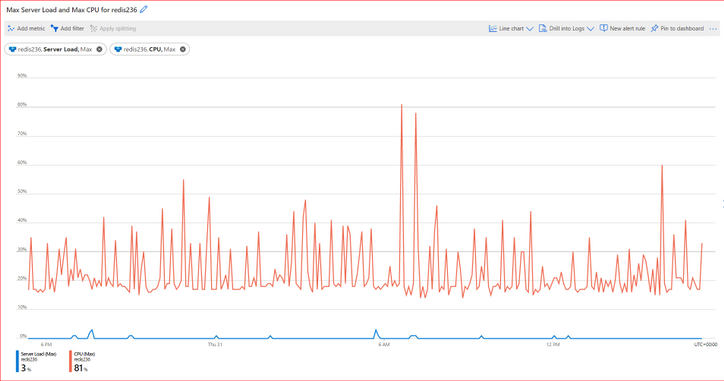
For that, Max aggregation should be used on the chart.
“Max CPU” and “Server Load” metrics are available to the Redis instance or per shard, in case of Redis clustered instances. On that case you may need to investigate each shard “Max CPU” and “Server Load” usage to be able to identify any overload specifically in some shard.
How to mitigate Long Running Commands running:
To avoid having long running commands, time complex commands should be avoided and replaced by O(1) time complexity commands.
For instance, the KEYS command is often used without knowing that it’s an O(N) operation. Avoid KEYS can be done doing some more requests using SCAN O(1) to reduce CPU spikes.
Also, complex scripts should be reviewed to understand their performance impacts, and replaced by simple scripts. Having many simple scripts are preferable as having only few complex scripts.
High server load or CPU usage means the server can’t process requests in time. The server may be slow to respond and unable to keep up with request rates.
When server takes more time to respond as expected, this not means forcibly an issue on Server performance. Specially on Standard and Premium Redis tiers, Redis service have a dedicated VM with full resources available to Redis service, on each Redis node: primary and replica.
If something wrong is detected on primary node, failover happen and the replica node can be promoted to new primary and take care of all work requested by client application.
Usually, server taking more time to respond than the expected are caused by client application requesting long-running commands or scripts, using large key values or using a cache size tier lower than the needed to deal with all the work requested by client application.
Also, high memory pressure can cause high number of page faults, and managing page faults can cause high CPU usage on Server side. Please see below on topic 4 how to investigate high memory pressure on Server side.
How to verify High Server CPU usage, from client side:
The “CPU” or “Server Load” metrics on Azure Portal can be used to find CPU usage and Server load.
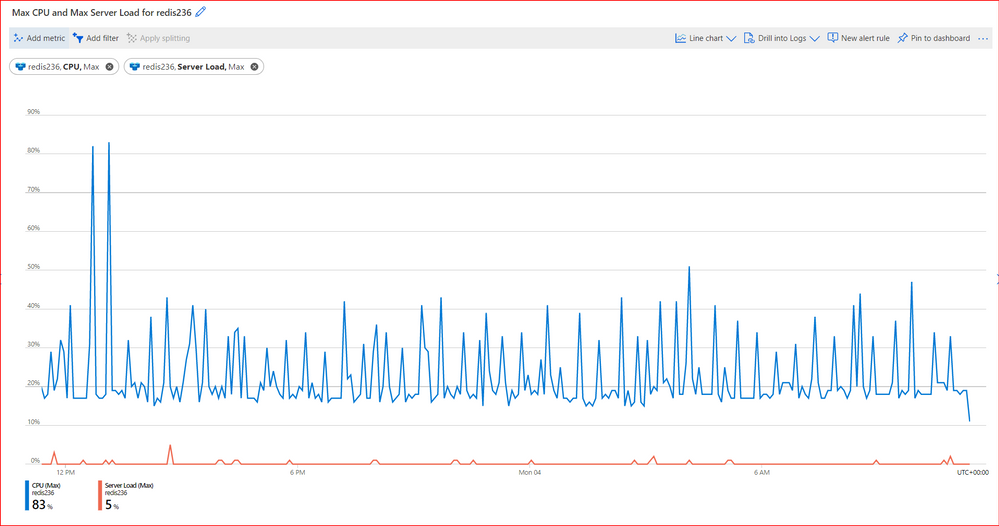
For that, Max aggregation should be used on the chart.
“CPU” or “Server Load” metrics are available to the Redis instance or per shard, in case of Redis clustered instances. On that case you may need to investigate each shard individually to identify high “CPU” or “Server Load” in some specific shard.
How to mitigate High Server CPU usage:
There are several changes you may make to mitigate high server load:
- Investigate long running commands used as described above on topic 2.
- Scale to a larger cache size with more CPU capacity.
- Create alerts on metrics like CPU or server load to be notified early about potential impacts.
4- Server High Memory Usage |
Memory pressure on the server side may cause some kinds of performance issues that can delay processing of requests, and when memory pressure occurs, the system may page data to disk.
This page faulting causes the system to slow down significantly.
There are some possible causes of this memory pressure:
- The cache is filled with data near its maximum capacity.
- Redis is seeing high memory fragmentation. This fragmentation is most often caused by storing large objects, since Redis is optimized for small objects.
How to verify High Server Memory usage, from client side:
- The “used_memory” and “used_memory_rss” metrics on Azure Portal can be used to see how much memory is being used:
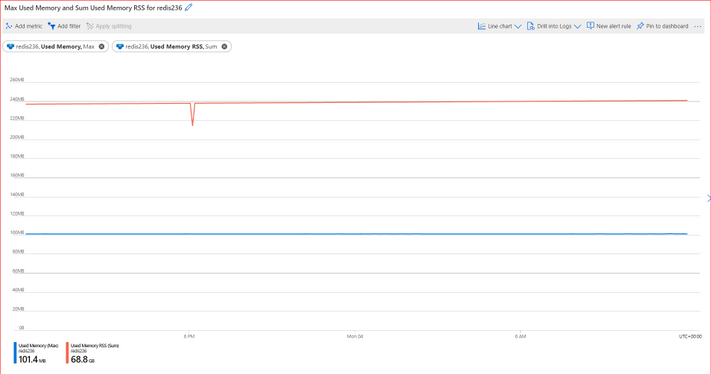
For that, Max aggregation should be used on the chart.
- Any Redis console can be used to run Info command. This command may be used to identify memory usage looking for “Used Memory” and “Used Memory RSS“ section in the command output. Please see more about using Info command.
How to mitigate High Server Memory usage:
There are several possible changes to help keep memory usage healthy:
- Configure a memory policy and set expiration time on keys – this policy may not be sufficient if having fragmentation.
- The default eviction policy is volatile-lru – this evict keys by trying to remove the less recently used (LRU) keys first, but only the keys that have an expire set. so, using volatile-lru, set expiration time on keys is highly recommended.
- Configure a maxmemory-reserved and maxfragmentationmemory-reserved value this should be large enough to compensate for memory fragmentation. Microsoft recommendation is to use 5% of the size of the cache (or higher) to each one of these reserved values, when using large key sizes.
For the points above, please see how to Configure Memory Policies.
- Review client application logic and split large cached objects into smaller objects.
- Scale to a larger cache size with more memory capacity.
- Create alerts on metrics like used_memory and/or used_memory_rss to be notified early about potential impacts.
5- Redis Server Bandwidth Limit Exceeded |
Redis Server Network Bandwidth exceeded and some other network causes for Redis timeouts are explained on this Tech Community article: Azure Redis Timeouts – Network Issues
Conclusion:
Despite having different reasons to have Redis timeouts on connections to Azure Cache for Redis, some different causes on Client, Server or Network side can cause Redis timeouts.
For Client or Network side Redis timeout causes, please see these Tech Community articles:
Azure Redis Timeouts – Client Side Issues
Azure Redis Timeouts – Network Issues
Related documentation:
Timeout issues
Redis commands
How to Scale Azure Cache for Redis
Creating Alerts on Azure
1- Server Update / Patch
How does a failover affect my client application?
Schedule updates
2- Long Running Commands
Slowlog
Long-running Commands
3- Server High CPU Load
High CPU or Server Load
4- Server High Memory Usage
Eviction policies
Configure Memory Policies
Memory pressure Server-side
Info command
I hope this can be useful !!!
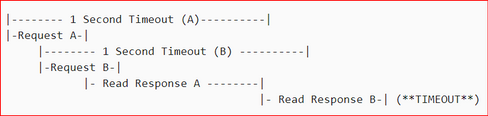
by Contributed | Jan 4, 2021 | Technology
This article is contributed. See the original author and article here.
Overview
There are many reasons that may cause timeouts on Redis client side, due to client, network or server side causes, and the error message also may differ based on Client library used.
Timeouts in Azure Cache for Redis occurs on client side when client application cannot receive the response from Redis server side timely.
Anytime, when client application doesn’t receive response before one of the timeout values expire, a timeout will occur and will be logged on client application logs as Redis timeout error message.
As Redis service acts as a Memory cache for client applications, the performance on Redis calls should be high, with low response times. For that reason, timeout values used in the client application are usually low.
This means any stress or overload on client side will affect firstly Redis service, other than other applications, causing higher latency on Redis requests, and for that reason some Redis timeouts may occur.
Order by most common issues, below are the most common Client side causes:
1- Traffic Burst
2- Large Key Value Sizes
3- High Client CPU Load
4- Client Network Bandwidth Exceeded
5- Client Timeout Configurations
6- Idle Connections
7- High Client Memory Usage
For Network or Server side Redis timeout causes, please see these Tech Community articles:
Azure Redis Timeouts – Server Side Issues
Azure Redis Timeouts – Network Issues
Bursts of traffic combined with poor thread settings at client side can result in delays in processing data already sent by Redis Server but not yet consumed on the client side – this can cause Redis timeouts on client side.
Different client libraries can deal with this in different ways.
Traffic burst and ThreadPool settings on Stackexchange.Redis:
To deal with traffic burst and manage threadpool, Stackexchange.Redis client library have two types of threads:
• Worker threads: used for processing commands on Task.Run(…) or ThreadPool.QueueUserWorkItem(…) methods.
• IOCP (I/O Completion Port) threads: used when asynchronous IO happens (e.g. reading from the network).
Each type defines minimum number of threads and by default, the minimum is set to the number of cores in a client machine.
ThreadPool provides new threads on demand until it reaches a minimum.
When the number of IOCP or Worker used threads (Busy) reach the minimum (Min), the new threads will be throttled.
When throttle occurs, the rate at which it injects new threads is one thread per 500 milliseconds.
When client application gets burst of traffic that needs more threads than the minimum, then some threads will be throttled, and some timeouts may occur on Redis client.
Stackexchange.Redis exceptions contain useful information about a number of minimum and busy threads, for example:
Timeout performing EVAL, inst: 187, mgr: Inactive, err: never, queue: 74, qu: 1, qs: 73, qc: 0, wr: 0, wq: 0, in: 1536, ar: 0, IOCP: (Busy=1,Free=999,Min=2,Max=1000), WORKER: (Busy=40,Free=32687,Min=2,Max=32767), clientName: RD123456789ABC
|
In the above example, the number of busy Worker threads is 40 and the minimum is set to 2.
So, 38 threads * 500 ms = 19s; the 40th thread waited at least 19s to be created.
This exception has been thrown because Redis operation waited too long for a free thread.
Each application may need to adjust the “Min” value based on the usage and on the load.
How to monitor Traffic burst, from Client side:
– At network level, traffic bursts may be monitored by any network traffic analyzer to identify unexpected spikes on network usage;
– Stackexchange.Redis client library logs may be used to investigate higher “Busy” values than “Min”, on IOCP or Worker thread pools, as described above;
– ThreadPoolLogger application may be used to monitor and adjust “Min” values based on the “Busy” on bursts on traffic.
https://github.com/JonCole/SampleCode/blob/master/ThreadPoolMonitor/ThreadPoolLogger.cs
How to adjust “Min” ThreadPool settings on Stackexchange.Redis:
There are two different ways to configure thread pool settings on Stackexchange.Redis:
1. Using SetMinThreads() on Redis StackExchange (C#) configuration (client side):
Thread pool settings on Stackexchange.Redis can be configured using SetMinThreads() on Redis StackExchange (C#) configuration, on client side application:
private readonly int minWorkerThreads = 200;
private readonly int minIOThreads = 200;
void Application_Start(object sender, EventArgs e)
{
    // Code that runs on application startup
   (…)
   ThreadPool.SetMinThreads(minWorkerThreads, minIOThreads);
}
Note: The value specified in when calling SetMinThreads IS NOT a per-core setting. For example, if you have a 4-core machine and want to set minWorkerThreads and minIoThreads to 200 per CPU during run-time, you should use ThreadPool.SetMinThreads(200, 200).
2. Using <processModel> on Microsoft Internet Information Services (IIS) web server:
It is also possible to specify the minimum threads setting by using the minIoThreads or minWorkerThreads configuration setting under the <processModel> configuration element in Machine.config, usually located at %SystemRoot%Microsoft.NETFramework[versionNumber]CONFIG.
<processModel> on Machine.config
Setting the number of minimum threads in this way is generally not recommended, because it is a System-wide setting.
Note: The value specified in this configuration element is a per-core setting. For example, if you have a 4-core machine and want your minIoThreads setting to be 200 at runtime, you would use <processModel minIoThreads=”50″/>.
Redis cache is optimized to short key sizes (typical 1KB) and using larger key value sizes may cause Redis timeouts.
A large value size may be ok if making only few request at same time, but high number of requests with large key value sizes in a short time period can cause timeouts on Redis.
Because Redis is single-threaded system by design, processing any large key value will block all other requests that come after; if the first large key value takes more time than the expected, next requests will timeout.
In the following example, request ‘A’ and ‘B’ are sent quickly to the server. The server starts sending responses ‘A’ and ‘B’ quickly. Because of data transfer times, response ‘B’ must wait behind response ‘A’ times out even though the server responded quickly.
This is described in this documentation: Large request or response Size
Microsoft recommendation is to Optimize client application to use a large number of small values, rather than a few requests with large values.
In summary, large value sizes should be avoid and should be split in short key value sizes, making more requests.
How to verify Large Key Value Sizes used, from client side:
redis-cli.exe is a popular command-line tool for interacting with an Azure Cache for Redis as a client, and can be used to investigate large key value sizes used.
This tool is part of Redis-io distribution and also available for use with Azure Cache for Redis.
The only caveat of redis-cli.exe command-line tool is doesn’t support TLS and Azure Cache for Redis only enable the TLS port (6380) by default.
To use this tool, an SSL/TLS access can be used using SSL tunnel, or temporarily enabling the non-TLS port (6379) (this is not recommended for security reasons, as the access keys are sent via TCP in clear text).
To use an SSL tunnel, Stunnel tool can be used and this Tech Community documentation may help on that: Enable access for redis-cli.exe
Download and extract redis-cli.exe command-line tool from Windows zip file for the latest Redis.io distribution, available here Redis-x64-3.0.504.zip
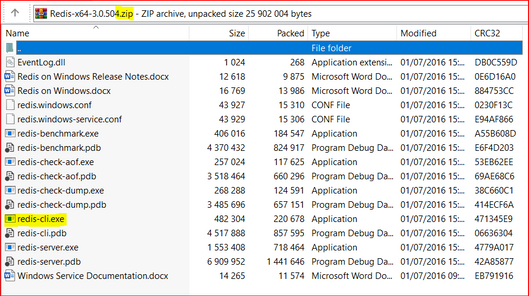
Then you can run redis-cli with this syntax (-p 6379 for non-SSL connections, or -p 6380 for SSL connections):
redis-cli -h <RedisName>.redis.cache.windows.net -p 6379 -a <RedisAccessPassword> --bigkeys
In this special mode, redis-cli works as a key space analyzer. It scans the dataset for big keys, but also provides information about the data types that the data set consists of.
This mode is enabled with the –bigkeys option, and produces quite a verbose output:
# Scanning the entire keyspace to find biggest keys as well as
# average sizes per key type.  You can use -i 0.1 to sleep 0.1 sec
# per 100 SCAN commands (not usually needed).

[00.00%] Biggest string found so far 'key-419' with 3 bytes
[05.14%] Biggest list   found so far 'mylist' with 100004 items
[35.77%] Biggest string found so far 'counter:__rand_int__' with 6 bytes
[73.91%] Biggest hash   found so far 'myobject' with 3 fields

-------- summary -------

Sampled 506 keys in the keyspace!
Total key length in bytes is 3452 (avg len 6.82)

Biggest string found 'counter:__rand_int__' has 6 bytes
Biggest   list found 'mylist' has 100004 items
Biggest   hash found 'myobject' has 3 fields

504 strings with 1403 bytes (99.60% of keys, avg size 2.78)
1 lists with 100004 items (00.20% of keys, avg size 100004.00)
0 sets with 0 members (00.00% of keys, avg size 0.00)
1 hashs with 3 fields (00.20% of keys, avg size 3.00)
0 zsets with 0 members (00.00% of keys, avg size 0.00)
More info about redic-cli and –bigkeys option can be consulted here: redis-cli, the Redis command line interface
How to avoid using Large Key Value Sizes:
To avoid using Large Key Value Sizes, Microsoft recommendation is to optimize client application for a large number of small values, rather than a few large values.
Large value sizes should be avoided and should be split in short key value sizes, making more requests.
High CPU usage on the client side can cause that the system cannot keep up with the work that it has been asked to perform.
This could be a problem because if the CPU is busy, can’t keep up with the work the application is asking it to do.
The response from Redis can come very quickly, but because the CPU isn’t keeping up with the workload, the response sits in the client socket’s kernel buffer waiting to be processed.
Microsoft recommendation is not having Client CPU above 80%.
How to verify High Client CPU Load:
– Monitor the client’s system-wide CPU usage using metrics available in the Azure portal, in client environment blade (AppService, VM, AKS, etc);
– Monitor performance counters on client machine.
How to limit Client CPU usage:
– Investigate what is causing High CPU or CPU spikes on client side and modify the code logic.
Keep in mind that client CPU are usually not only used by Redis client application, but by other applications in the same AppService plan (in case of WebApps), or by other applications and operating system tasks, on VM’s, VMSS’s, AKS, etc.
– Upgrade your client to a larger VM size with more CPU capacity.
4- Client Network Bandwidth Exceeded |
Client Network Bandwidth exceeded and some other network causes for Redis timeouts are explained on this Tech Community article: Azure Redis Timeouts – Network Issues
5- Client Timeout Configurations |
Each Redis client library has its own configuration options and the ability to configure different timeout values. Each option and the respective default value can be different based on the client library used.
As example, StackExchange.Redis uses the below related configuration options that can throws a timeout.
Configuration string
|
Default value
|
Description
|
SyncTimeout
|
5 seconds
|
the amount of time to wait on a specific synchronous operation to complete
|
ResponseTimeout
|
SyncTimeout
|
deprecated – the amount of time before the connection be treated as dead – used for backwards compatibility
|
ConnectTimeout
|
5 seconds
|
the amount of time used to the connection attempt (15 seconds recommended)
|
ConnectRetry
|
3
|
the number of times to repeat connect attempts during initial Connect
|
keepAlive
|
60 seconds
|
time at which to send a message to help keep sockets alive – see Idle Connections below
|
How to verify Redis Client Configurations:
To verify Redis Client Configurations you need to look for the connection string or the configuration object in the client application code, and check if the values used are the best for you case scenario and your workload.
Microsoft recommendation is to use only one connection and reuse connections.
Keep in mind that if not following Microsoft recommendations, client application may have different connection strings with different configuration values, in different parts of code.
How to Configure Redis Client Timeout values:
StackExchange.Redis client library:
The connection to Azure Redis could be made through a connection string. Because there are lot of different ways to configure Redis, StackExchange.Redis offers a rich configuration model, which is invoked when calling Connect.
Specific to ConnectTimeout value on Stackexchange.Redis (the amount of time used to the connection attempt), Microsoft recommends 15000ms, giving the system time to connect even under higher load conditions, but the default value is 5000ms. You may want to adjust this value.
The configuration can be either:
- a ConfigurationOptions instance:
string configString = "redis236.redis.cache.windows.net, abortConnect=false, ssl=true, password=XXX";
var options = ConfigurationOptions.Parse(configString);
options.AllowAdmin = true;
options.abortConnect=false;
options.connectTimeout=15000;
- a string representing the configuration:
string configString = "redis236.redis.cache.windows.net, abortConnect=false, ssl=true, password=XXX, connectTimeout=15000";
the switch between both configuration methods can be done trivially:
ConfigurationOptions options = ConfigurationOptions.Parse(configString);
or:
string configString = options.ToString();
Then use the configString or the ConfigurationOptions instance to create the connection with the new configuration values:
ConnectionMultiplexer redis = ConnectionMultiplexer.Connect(configString);
ConnectionMultiplexer redis = ConnectionMultiplexer.Connect(options);
Some other client library specific guidance:
Azure Cache for Redis service configures a 10 minute idle server timeout for connections, independently of the client library used. This is defined on Server side and cannot be changed.
In that case, if the connection is idle for 10 minutes then it will reset the connection and clients may see socket reset errors, timeouts or some other connection error messages, depending of client libraries used.
Some clients like StackExchange.Redis will do regular PING calls to Redis to keep the connection alive (see keepAlive configuration above).
Some clients don’t do this, so application developers should implement this periodic ping call to avoid close idle connections.
This is discussed in Azure Redis Best Practices documentation.
How to verify Idle Connections:
If you have idle connections without any Redis request during 10 minutes and you see socket reset error, timeout or some other connection error message, the most probably cause is not having any keep alive policy implemented.
You may also check for the specific client library used, if have any keepalive configuration option, as described for Stackexchange.Redis.
How to mitigate Idle Connections:
Adjust keepalive configuration option to 60 seconds (by default on Stackexchange.Redis), or the correspondent configuration value for different client libraries.
On some cases for some client libraries, you may need to implement your own keepalive process doing a periodic ping to Redis endpoint, to maintain the connation active.
7- High Client Memory Usage |
Memory pressure on the client machine may be the cause of many kinds of performance problems that can delay processing of responses from the cache.
When this occur, the system may page data to disk, and page faulting causes the system to slow down significantly.
This may have higher impact on Redis calls, as is expected that Redis calls have high performance, with low response times. For that reason any memory pressure on client side will cause Redis timeouts prior than other services running on client environment.
How to verify High Client Memory Usage:
High Client Memory Usage can be verified at specific timestamp of Redis timeouts, monitoring memory usage on client machine to make sure that it doesn’t exceed available memory.
Could be useful also, Monitor the client’s Page Faults/Sec performance counter, as page faults can be caused by memory pressure.
How to limit Client Memory Usage:
Client Memory Usage can be reduced, reducing the number of running applications/processes at same time, or investigating the processes using higher amount of memory. If some process is using high amount of memory than the expected, this process/application should be troubleshooted to find the reason for that memory usage.
If all is expected, scaling the client environment to have more memory resources available should be implemented.
Conclusion:
Despite having different reasons to have Redis timeouts on connections to Azure Cache for Redis, some different causes on Client, Server or Network side can cause Redis timeouts, and some more details can be obtained in the documentation below.
For Network or Server side Redis timeout causes, please see these Tech Community articles:
Azure Redis Timeouts – Server Side Issues
Azure Redis Timeouts – Network Issues
Related documentation:
Timeout issues
1- Traffic Burst
StackExchange.Redis timeout exceptions (GitHub article)
ThreadPool Growth: Some Important Details (Jon Cole article)
Client-side issues
BusyIO or BusyWorker threads in the timeout exception (GitHub discussion)
ThreadPoolLogger code sample (from Jon Cole)
Traffic-burst
Recommendation ThreadPool settings
processModel Element
2- Large Key Value Sizes
redis-cli, the Redis command line interface
Enable access for redis-cli.exe
Redis-x64-3.0.504.zip
3- High Client CPU Load
High Client CPU usage
5- Client Timeout Configurations
Redis Client handling – TCP keepalive
Azure Redis Best Practices documentation
StackExchange.Redis configurations
6- Idle Connections
Azure Redis Best Practices documentation
I hope this can be useful !!!
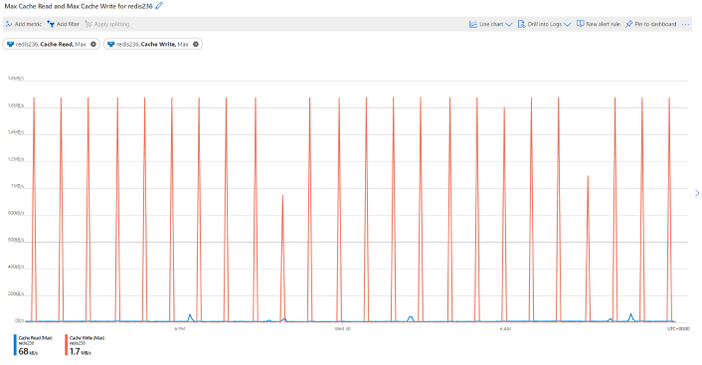
by Contributed | Jan 4, 2021 | Technology
This article is contributed. See the original author and article here.
Overview
There are many reasons that may cause timeouts on Redis client side, due to client, network or server side causes, and the error message also may differ based on Client library used.
Timeouts in Azure Cache for Redis occurs on client side when client application cannot receive the response from Redis server side timely.
Anytime, when client application doesn’t receive response before one of the timeout values expire, a timeout will occur and will be logged on client application logs as Redis timeout error message.
On Network, Redis timeouts may occur anytime due to connection failure, network blips, network failures, Client or Server Network bandwidth limit exceeded, or any other network issues may degrade Redis connectivity and may cause Redis timeouts on client side.
Order by most common issues, below are the most common Network causes:
1- Network blips
2- Client Network bandwidth limit exceeded
3- Server Network bandwidth limit exceeded
For Client or Server side Redis timeout causes, please see these Tech Community articles:
Azure Redis Timeouts – Client Side Issues
Azure Redis Timeouts – Server Side Issues
Microsoft recommendation:
Microsoft recommendation is to use Azure Cache for Redis in the same Azure region as Redis client application.
The main reason for that is to take advantage of the large bandwidth used in the network backbone on each Azure region, with low latency, avoiding to use public networks with smaller bandwidth.
Azure Network backbone have many different ways to making it resilient to any failure.
In each Azure region, any eventual failure on Network backbone would affect all Azure services and all Customers, and not only the Azure Cache for Redis connections.
This is the main reason to avoid using Azure Cache for Redis service in a different Azure region than client application.
Network blips can be caused by Azure Load Balancer operations, failovers due to Redis or Host updates/patches, or some other reasons.
Because of the transient nature of the network blips, it’s not always possible to identify the cause of that network blips on client side.
Network blips can be expected and Microsoft recommends to use some retry policy on client side application to deal with these transient network blips.
With that, network blips should be recovered by client application with a retry, avoiding any end user experience downtime.
StackExchange.Redis client library has a setting named AbortConnect that controls how it handles connectivity errors like this. The default value for this setting is “True”, meaning that it will not reconnect automatically in some cases. Microsoft recommendation is to set AbortConnect to false, to let the ConnectionMultiplexer reconnect automatically.
2- Client Network bandwidth limit exceeded |
To identify if the reason for Redis timeouts are Client Network bandwidth limit exceeded, network usage on Client environment (AppService, VM, VMSS, AKS, etc) used by Redis Client application should be investigated, to see if is reaching any network interface limit or any network bandwidth limit (inbound or outbound).
Keep in mind that all applications in client side environment may have high network utilization and not only the Redis Client application; also, Redis timeouts can be caused not only by 100% network bandwidth utilization, but values reaching 100% can also cause higher network latency and Redis timeouts.
To troubleshoot this, some network tools on client side may needed, depending of client environment (AppService, VM, VMSS, AKS, etc).
3- Server Network bandwidth limit exceeded |
To identify if the reason for Redis timeouts are caused by Server Network bandwidth limit exceeded, Azure portal have two important metrics on Redis service or Azure Monitor blades: Cache Read and Cache Write. These shows the amount of data read/written from/to the cache in Megabytes per second (MB/s), during any specified reporting interval: Available metrics and reporting intervals
Cache Read and Cache Write metrics are available to the Redis instance or per shard, in case of Redis clustered instances. On that case you may need to investigate each shard network usage to be able to identify any Network bandwidth limit exceeded specifically in some shard.
With that metrics, you can compare with the Azure Redis cache Network performance for your Redis tier: Azure Cache for Redis performance
Any other network causes for Redis network connectivity issues should be investigated on client side using some network trace to better understand where is the source of the problem.
A network packet trace from client side may help network team to identify the source of the problem.
Also, if needed specifically troubleshoot network connectivity, please see how to Troubleshooting Azure Redis Connectivity Issues (Tech Community article)
Conclusion:
Despite having different reasons to have Redis timeouts on connections to Azure Cache for Redis, some different causes on Client, Server side or Network can cause Redis timeouts.
For Client or Server side Redis timeout causes, please see these Tech Community articles:
Azure Redis Timeouts – Client Side Issues
Azure Redis Timeouts – Server Side Issues
Related documentation:
Timeout issues
Redis Client handling – TCP keepalive
Best practices for Azure Cache for Redis (general and client library specific)
StackExchange.Redis best practices
Available metrics and reporting intervals
Azure Cache for Redis performance
Troubleshooting Azure Redis Connectivity Issues (Tech Community article)
I hope this can be useful !!!
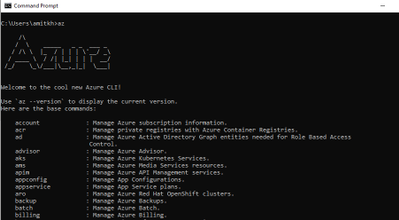
by Contributed | Jan 4, 2021 | Technology
This article is contributed. See the original author and article here.
A brief snapshot of the conversation that my colleague and I had a couple of weeks ago:
Colleague: “I am new to Kubernetes and Linux world and was hoping if I could deploy SQL Server using helm chart from my Helm on my windows client and a managed kubernetes cluster service like Azure kubernetes service cluster (AKS)?”
Me: “Yes, you can!”
Colleague: “Great! Can you share articles or guidance to do that so I could follow those?”
Me: “hmm.. For Helm refer this.. for Kubernetes refer this.. For SQL Server deployment using helm on kubernetes refer this.. “
and that’s when I noticed there wasn’t a single stop end to end guidance. This is what prompted me to write this blog. And I hope this helps anyone who is new to Kubernetes/helm charts or even SQL Server and want to get started with the deployment of SQL Server on Kubernetes.
By the end of this blog, you should have the SQL Server deployed via the helm charts on the managed kubernetes service which in this case is Azure Kubernetes Service (AKS). For more information on Kubernetes, Helm chart please refer to articles mentioned below to get you started.
- What is Kubernetes ?
- What is helm chart ?
- The sample helm chart that we will use for this SQL Server deployment is available here. Please go through the readme file, to understand the files and values that you can chance and customize for your SQL Server deployment.
With the pre-read done, now lets start with deployment.
The follow along plan-
Please deploy an AKS (Azure Kubernetes Service) cluster. If you do not want to use AKS and want to create your custom kubernetes cluster you could do that as well.
On your windows client system, from where you will connect to the AKS cluster and deploy SQL Server using the helm chart below, the tools that need to be installed on the windows client are:
You first install “az”, you can follow the steps documented here. From the link, download the current version of “az cli” exe and install the exe. If the installation is successful, you can type the command az in command prompt and if it is installed you should see output similar to the image shown below:
- Once you have the Azure CLI installed the next step is to install chocolatey, which is required to install helm on the windows client. To install chocolatey, follow the chocolatey install documentation. Follow the “Install with cmd.exe” section for a installation via the cmd.exe. Once the installation of the chocolatey is complete to confirm, open cmd.exe and run the command : choco as shown below:
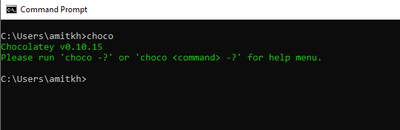
Post the successful installation, when you run helm command in the cmd.exe you should see the output as shown below
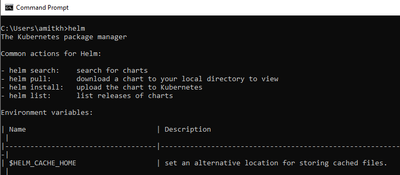
- Now it is time to install the “kubectl” tool to interact and work with the kubernetes cluster, to install kubectl in the command prompt run the command
az aks install-cli
Post the successful install of “kubectl” you should add the path to “kubectl” as one of the environment variables. In my case the path to kubectl is at “C:Usersamitkh.azure-kubectl” so I add the path to the environment variable as shown below:
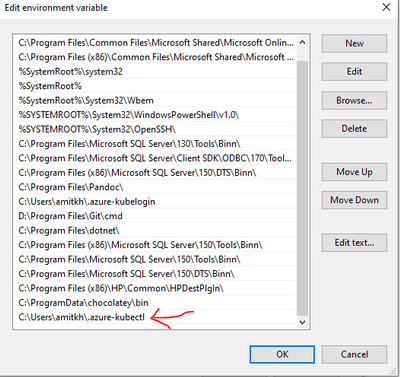
With all the required tools installed on the windows client, we need to merge the context of the AKS cluster with the kubectl, so when we run kubectl or helm commands the operation takes place on that specific AKS cluster. To merge, run the command as described in the connect to aks cluster which is:
az aks get-credentials --resource-group <resourcegroupname> --name <aks clustername>

Once this is done, when you run a kubectl command the execution happens in the context of the aks cluster that we merged our tools with in the above step. An example shown below:
You are now ready to deploy the SQL Server on AKS cluster via the helm chart. You can download the sample helm-chart from this github location. Please go through the readme file to ensure you understand the options that you need or can change as per your requirement and customization.
Once you have the helm chart and all its file download to your windows client, switch to the directory where you have downloaded and after you have done modification to the downloaded helm chart to ensure it is as per your requirement and customization, deploy SQL Server using the command as shown below, you can change the deployment name (“mssql-latest-deploy”) to anything that you’d like.
helm install mssql-latest-deploy . --set ACCEPT_EULA.value=Y --set MSSQL_PID.value=Developer
Here is a example for reference, I have the chart and its files downloaded to the mssql-latest directory and this is how it looks and then I run the helm install command to deploy SQL Server.
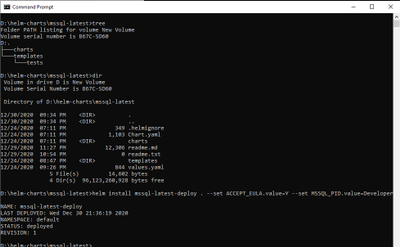
After a few minutes, you should see SQL Server deployed and ready to be used as shown below:
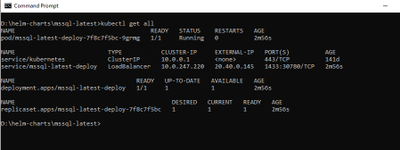
Connect to the SQL Server running on AKS:
- Using any of the familiar SQL Server tools like the SSMS (SQL Server Management Studio) or SQLCMD or ADS (Azure Data Studio), etc. You can connect to the instance of the SQL Server using the External-IP address for the “mssql-latest-deploy” service. In this case it is 20.40.0.145.
- The sa_password is the value you provide to the Values.sa_password in the values.yaml file in the helm chart.
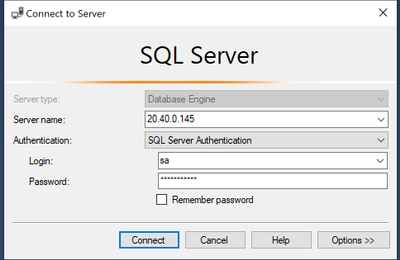
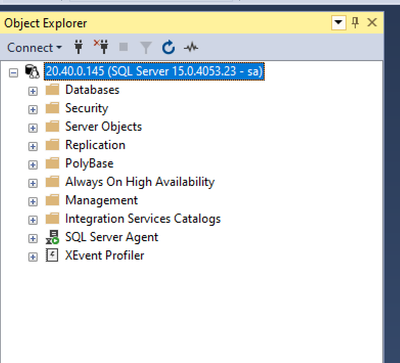
Changing the tempdb path:
As you would have noticed in the helm chart, we provide a specific location for tempdb files to ensure that the tempdb files are stored in those specific location. Here are the steps you can follow:
- To change the tempdb location to the specific path you can connect to the SQL Server instance and then run the below T-SQL queries:
-- Get the tempdb specific files
select * from sysaltfiles where dbid=2
--We want to move the tempdb files to this specific location : /var/opt/mssql/tempdb/, ---so here are the commands:
ALTER DATABASE tempdb
MODIFY FILE (NAME = tempdev, FILENAME = '/var/opt/mssql/tempdb/tempdb.mdf');
GO
ALTER DATABASE tempdb
MODIFY FILE (NAME = tempdev2, FILENAME = '/var/opt/mssql/tempdb/tempdb2.ndf');
GO
ALTER DATABASE tempdb
MODIFY FILE (NAME = templog, FILENAME = '/var/opt/mssql/tempdb/templog.ldf');
GO
--check and confirm that the locations for tempdb files are updated
select * from sysaltfiles where dbid=2
2. Now for the change to take in affect, you will have to restart the SQL Server container and you can do the same using the commands below:
kubectl scale deployment mssql-latest-deploy --replicas=0
Once you run the above command, wait for the container to be deleted and once it is, run the below command for the new container to be deployed
kubectl scale deployment mssql-latest-deploy --replicas=1
Here you can now connect to the pod and check the tempdb files are now located to the new location : /var/opt/mssql/tempdb/
Hope you enjoyed it !! Happy learning!!
Amit Khandelwal
Sr. Program Manager


Recent Comments