This article was originally posted by the FTC. See the original article here.
As residents across Kentucky, Illinois, Tennessee, Arkansas, and Missouri begin taking stock following the devastating series of tornadoes that hit their states, you might be looking for ways to help the people and communities affected. Unfortunately, scammers also are busy trying to take advantage. You want to make sure your money gets in the hands of charities you want to help.
If you’re looking for a way to help, the FTC urges you to be cautious of potential charity scams. Do some research to ensure that your donation will go to a reputable organization that will use the money as promised.
Consider these tips:
Donate to charities you know and trust with a proven track record with dealing with disasters.
Designate the disaster so you can ensure your funds are going to disaster relief, rather than a general fund that the charity could use for any of its work.
If you get donation requests by email, never click on links or open attachments in e-mails unless you know who sent it. You could unknowingly install malware on your computer.
Don’t assume that charity messages posted on social media are legitimate. Research the organization yourself.
When texting to donate, confirm the number with the source before you donate. The charge will show up on your mobile phone bill, but donations are not immediate.
Find out if the charity or fundraiser must be registered in your state by contacting the National Association of State Charity Officials. If they should be registered, but they’re not, consider donating through another charity.
This article is contributed. See the original author and article here.
Official websites use .gov A .gov website belongs to an official government organization in the United States.
Secure .gov websites use HTTPS A lock () or https:// means you’ve safely connected to the .gov website. Share sensitive information only on official, secure websites.
This article was originally posted by the FTC. See the original article here.
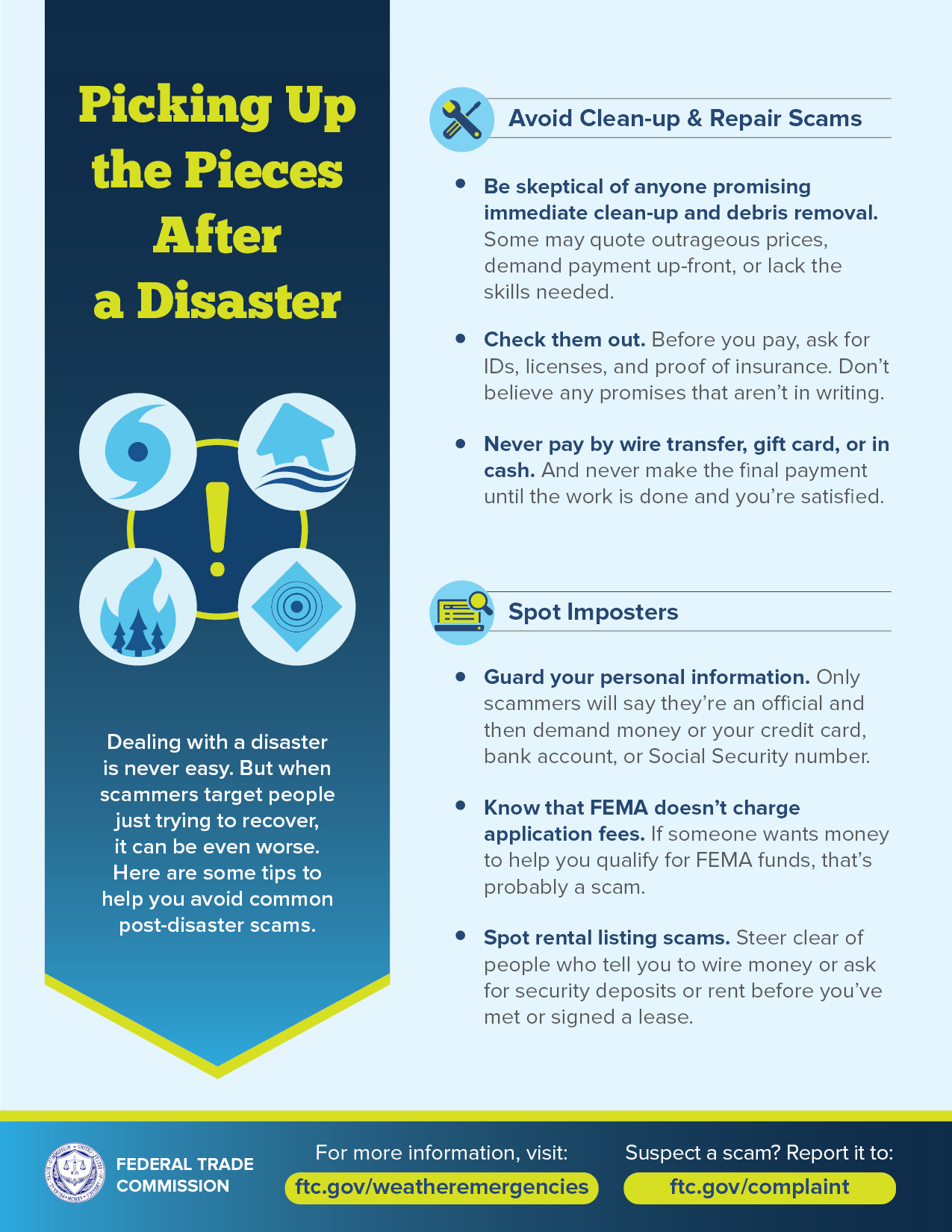
If you or someone you know has been affected by the devastating series of tornadoes that roared across Kentucky, Illinois, Tennessee, Arkansas, and Missouri, coping with the aftermath is never easy. But when scammers target people just trying to recover, it can be even worse. Here are ways to help you and your neighbors avoid common post-disaster scams.
Be skeptical of anyone promising immediate clean-up and debris removal. Some may quote outrageous prices, demand payment up-front, or lack the skills needed.
Check them out. Before you pay, ask for IDs, licenses, and proof of insurance. Don’t believe any promises that aren’t in writing.
Know that FEMA doesn’t charge application fees. If someone wants money to help you qualify for FEMA funds, that’s probably a scam.
Be wise to rental listing scams. Steer clear of people who tell you to wire money or ask for security deposits or rent before you’ve met or signed a lease.
Spot disaster-related charity scams. Scammers will often try to make a quick profit from the misfortune of others. Check out the FTC’s advice on donating wisely and avoiding charity scams.
Bookmark Dealing with Weather Emergencies. If a weather event or disaster affects you, come back for more tips on recovery and information about your rights. Like all our materials, the site is mobile-friendly, so you’ll have ready access to information when and where you need it.
Suspect a scam? Report it to the FTC at ReportFraud.ftc.gov. Want information on the latest frauds and scams we’re seeing? Sign up for our consumer alerts.
Note: This blog, originally posted on September 3, 2021, has been updated following the December 11-12 series of tornadoes.
Brought to you by Dr. Ware, Microsoft Office 365 Silver Partner, Charleston SC.
This article was originally posted by the FTC. See the original article here.
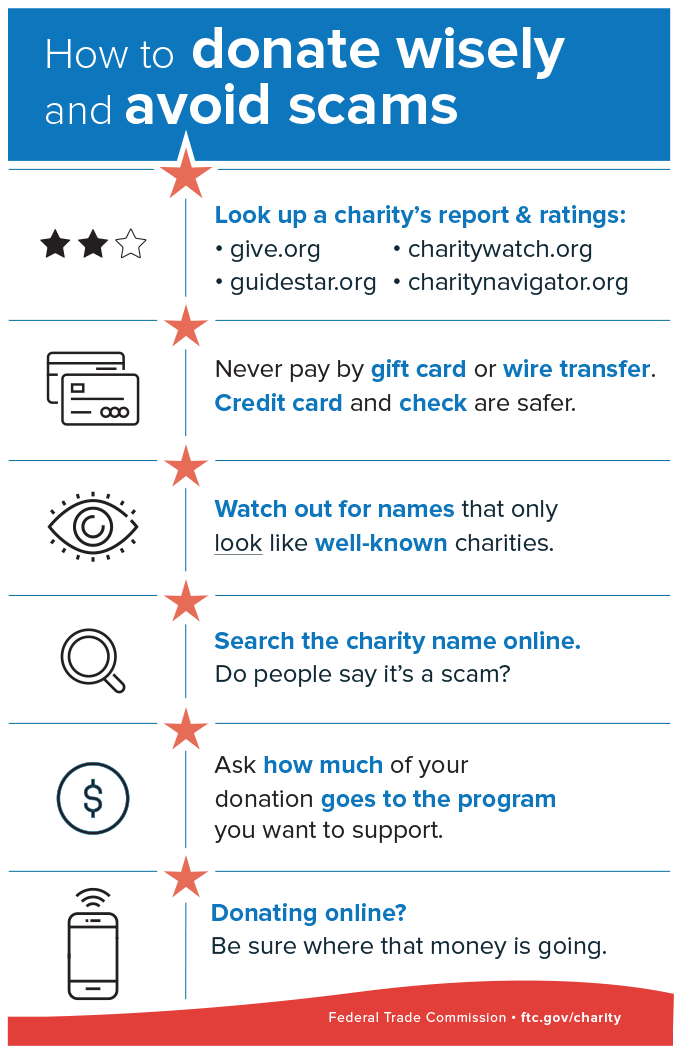
The season of giving is here. If you celebrate Christmas, you might be about to fill some stockings. But, for many, holiday giving includes supporting charitable causes. Charities in need of support will be making year-end appeals by phone, mail, email, and social media. Scammers know that, too, and every year try to trick people into giving to them, not the real deal. So here are some steps to take to make sure the charity is real and your money will support the programs you care about.
Check out the charity before you donate. Search online with the name of the charity plus words like “complaint,” “review,” or “scam.” Ask how much of your donation will go to the work of the charity (versus, say, fundraising). Learn more by seeing what organizations like the BBB Wise Giving Alliance, Charity Navigator, CharityWatch and Candid say about how a charity does its business and spends its money.
Double-check the name. Scammers sometimes use names that sound like real charities that you know and trust.
Don’t be rushed. Scammers love to pressure you to make fast decisions and pay them. But take it slow. Real charities will be happy to get your donation when you’re ready.
Avoid donations by cash, gift card, cryptocurrency, or money transfer service — if they demand to be paid that way. That’s how scammers ask to be paid. Your safer bet is to pay by credit card.
Report charity scams at ReportFraud.ftc.gov. Your report can help people in your community protect themselves from charity scams and other types of fraud. The FTC uses reports like yours to investigate and bring law enforcement cases.
Check out ftc.gov/charity for more, including on giving through online platforms. And take a moment to check out, and share, this charity fraud video. Happy giving!
Brought to you by Dr. Ware, Microsoft Office 365 Silver Partner, Charleston SC.
This article is contributed. See the original author and article here.
CISA has added thirteen new vulnerabilities to its Known Exploited Vulnerabilities Catalog, based on evidence that threat actors are actively exploiting the vulnerabilities listed in the table below. These types of vulnerabilities are a frequent attack vector for malicious cyber actors of all types and pose significant risk to the federal enterprise.
Although BOD 22-01 only applies to FCEB agencies, CISA strongly urges all organizations to reduce their exposure to cyberattacks by prioritizing timely remediation of Catalog vulnerabilities as part of their vulnerability management practice. CISA will continue to add vulnerabilities to the Catalog that meet the meet the specified criteria.
This article is contributed. See the original author and article here.
The Apache Software Foundation has released a security advisory to address a remote code execution vulnerability (CVE-2021-44228) affecting Log4j versions 2.0-beta9 to 2.14.1. A remote attacker could exploit this vulnerability to take control of an affected system. Log4j is an open-source, Java-based logging utility widely used by enterprise applications and cloud services.
CISA encourages users and administrators to review the Apache Log4j 2.15.0 Announcement and upgrade to Log4j 2.15.0 or apply the recommended mitigations immediately.



 ) or https:// means you’ve safely connected to the .gov website. Share sensitive information only on official, secure websites.
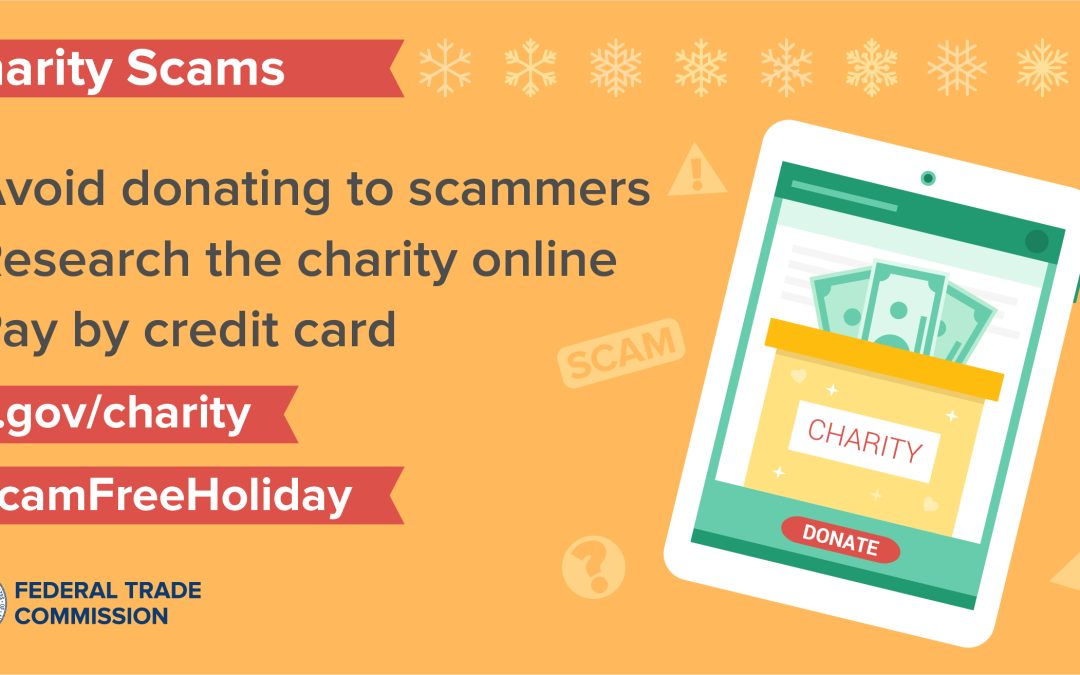
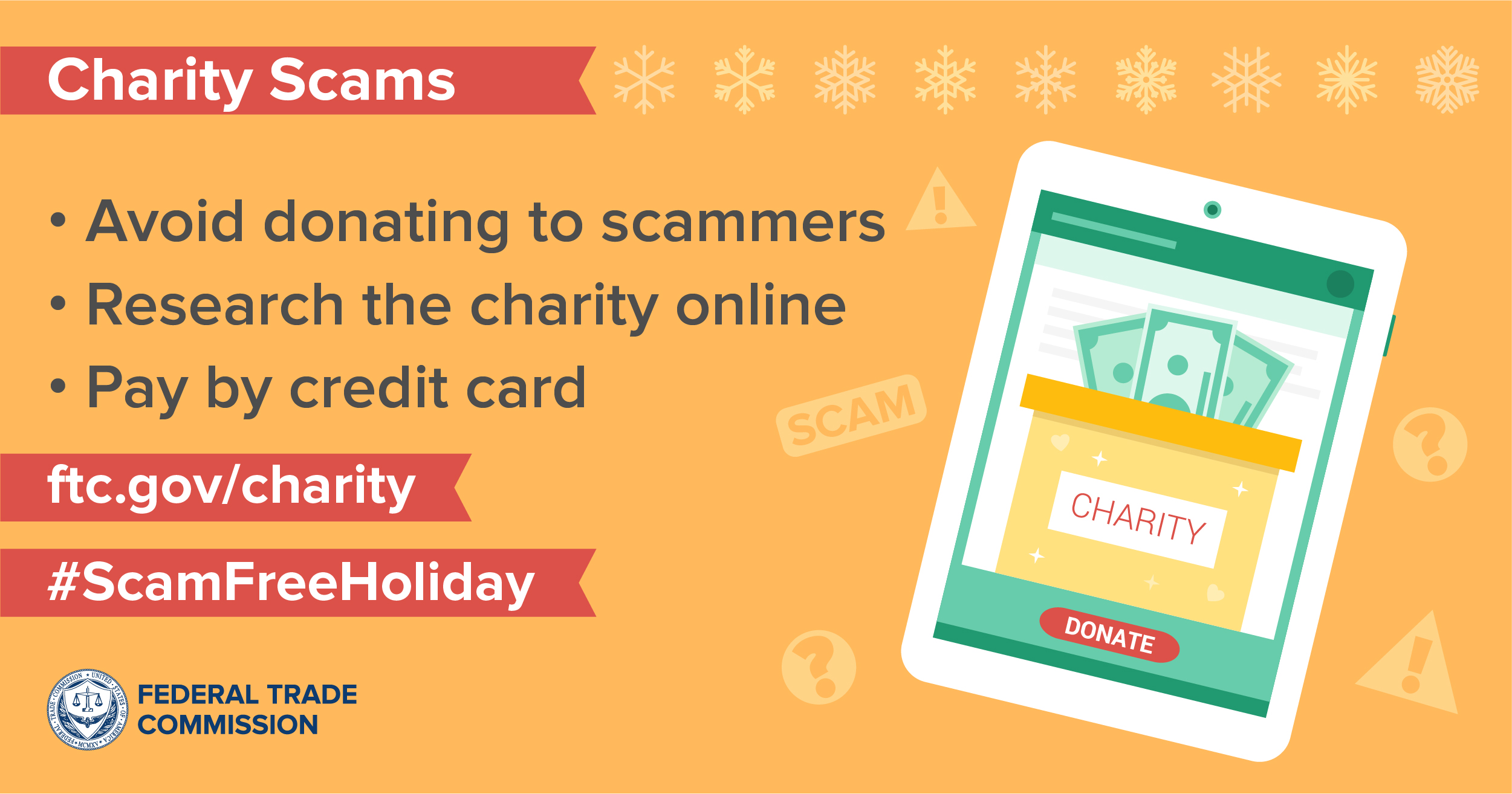 The season of giving is here. If you celebrate Christmas, you might be about to fill some stockings. But, for many, holiday giving includes supporting charitable causes. Charities in need of support will be making year-end appeals by phone, mail, email, and social media. Scammers know that, too, and every year try to trick people into giving to them, not the real deal. So here are some steps to take to make sure the charity is real and your money will support the programs you care about.
Recent Comments