by Scott Muniz | Jun 18, 2021 | Security, Technology
This article is contributed. See the original author and article here.
Google has released Chrome version 91.0.4472.114 for Windows, Mac, and Linux. This version addresses vulnerabilities that an attacker could exploit to take control of an affected system. One of these vulnerabilities—CVE-2021-30554—has been detected in exploits in the wild.
CISA encourages users and administrators to review the Chrome Release Note and apply the necessary updates.
by Scott Muniz | Jun 17, 2021 | Security
This article was originally posted by the FTC. See the original article here.
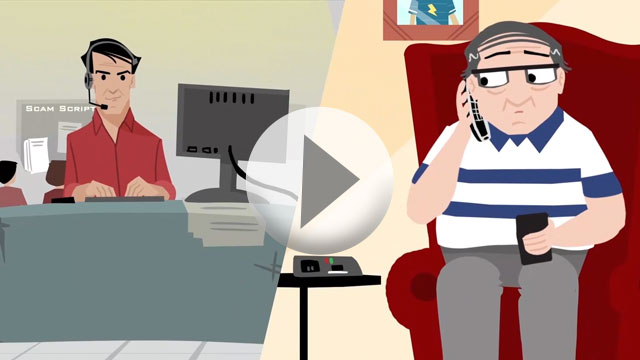
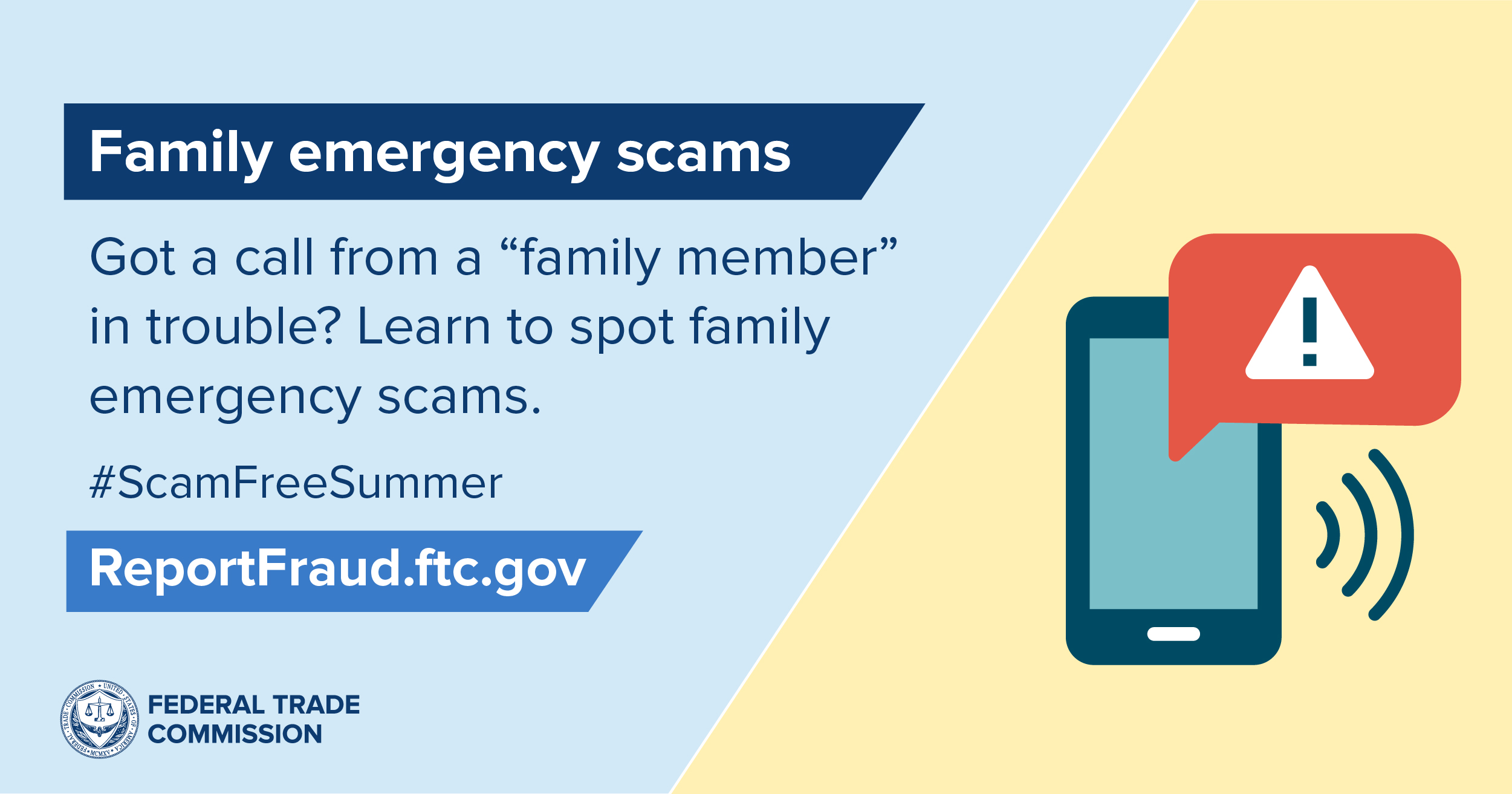 Instead of telling you a ghost story around a summer campfire, we have an all-too familiar tale to share: Myra’s grandson, Jon, is in Mexico for the summer. They video chat every week. One day, Myra gets a call from someone who says he’s Max, a friend of Jon’s: “He was arrested last night and needs $500 for bail.” Max says the police took Jon’s passport, so he’ll need another $700 to get it back. He says not to tell Jon’s parents or anyone else because Jon is embarrassed.
Myra is scared at first — but she’s heard a thing or two that makes her suspicious. So she thanks “Max” for his concern, hangs up, and calls Jon right away. Jon, it turns out, is on his way to class, not in jail. And “Max” is nothing but a scammer.
Family emergency scams like this try to scare people into sending money to help a loved one in trouble. The fraud can play out in many ways, but the hustle is the same: the caller lies, tries to scare you, and rushes you to pay so you don’t have time to think twice or check things out before you send money. And once you do that, you’ll never get it back.
To avoid family emergency scams:
- Resist the urge to act immediately — no matter how dramatic the story is.
- Call or message your loved one who (supposedly) contacted you. Even though the caller says not to. But use a number you know is right, not one the caller gives you.
- Never send cash, gift cards, cryptocurrency, or money transfers. Once the scammer gets the money, it’s gone!
If you spot this or any other scam, report it to the FTC at ReportFraud.ftc.gov.
Brought to you by Dr. Ware, Microsoft Office 365 Silver Partner, Charleston SC.

by Scott Muniz | Jun 17, 2021 | Security, Technology
This article is contributed. See the original author and article here.
Official websites use .gov
A .gov website belongs to an official government organization in the United States.

Secure .gov websites use HTTPS A
lock ( )
) or
https:// means you’ve safely connected to the .gov website. Share sensitive information only on official, secure websites.
by Scott Muniz | Jun 16, 2021 | Security
This article was originally posted by the FTC. See the original article here.
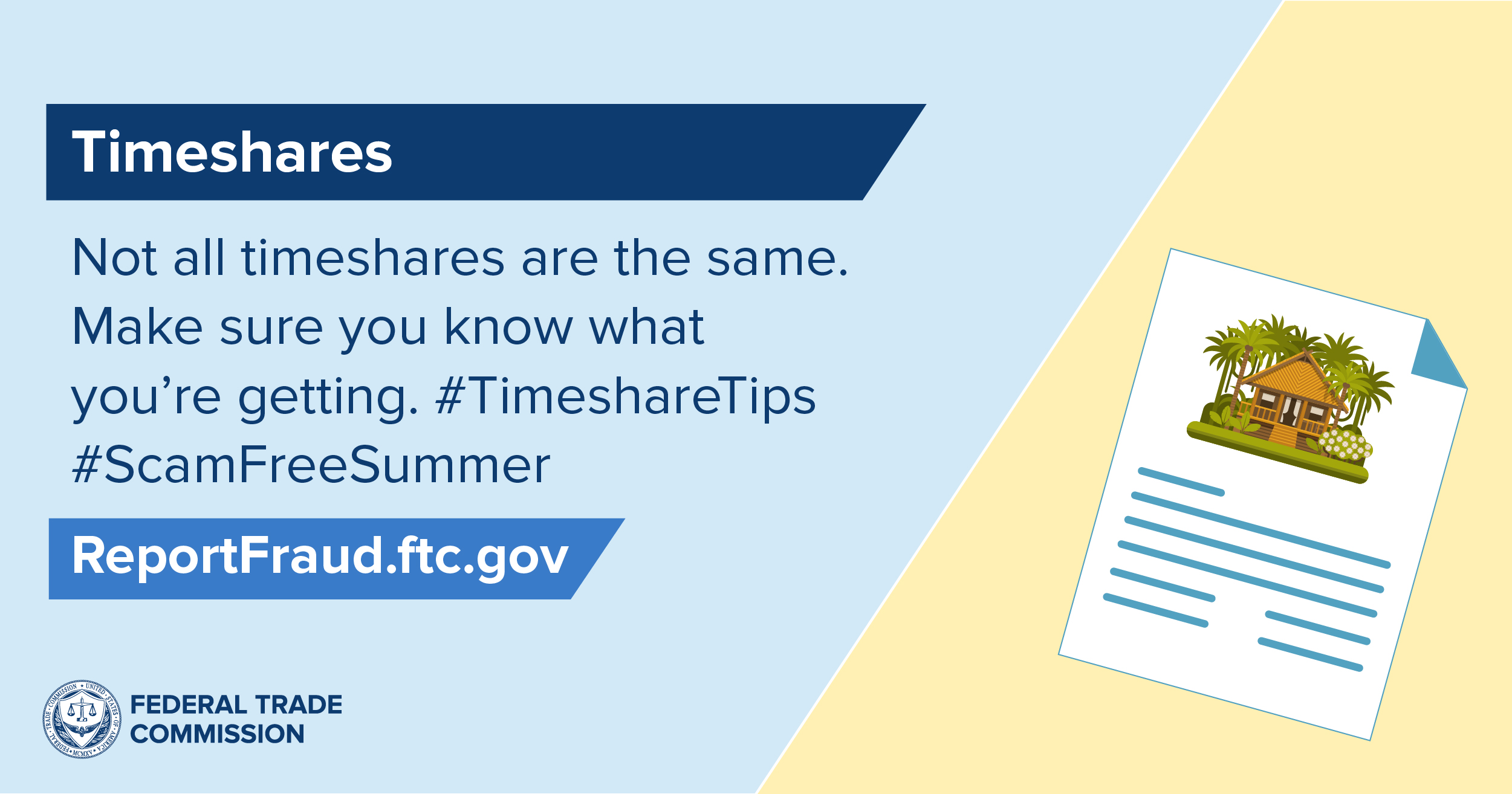
If you’re considering getting a timeshare this vacation season, read on. Maybe you got a flyer in the mail with pictures of sunny beaches and beautiful resort suites. Sounds great, right? But before you sign a timeshare contract, make sure you understand what you’re getting into — and how to get out of it.
Not all timeshares work the same way. Some use points to determine where you can stay and for how long. Others get you one week a year at a resort, but it’s not always the same week. The cost also varies … a lot. Typically, timeshares require you to pay initial fees and yearly maintenance fees that may increase every year.
Promoters might offer you a gift or delicious meal to attend a timeshare presentation. If you decide to go, the sales staff may make a lot of promises and pitches designed to get you to buy right then and there without giving you time to think about it or do any of your own research.
So before you sign that timeshare agreement, ask yourself a few questions:
- If the timeshare is only for a specific property, is this where I want to vacation every year?
- Can I afford this timeshare, even if the maintenance fees go up?
- Do I have the time to deal with issues that may arise if I can’t book the resort I want during the time I want to travel?
- If I no longer can afford or want the timeshare, how can I sell it?
Brought to you by Dr. Ware, Microsoft Office 365 Silver Partner, Charleston SC.
by Scott Muniz | Jun 15, 2021 | Security
This article was originally posted by the FTC. See the original article here.
The weather is getting warmer, and you might be itching to travel again. The mountains, the beach, and the trails are calling you — and everyone else. At least that’s what it feels like when you start looking into renting a car. With rental car availability at an all-time low, prices are sky high. So, if you suddenly find an available car at a cheap price, you might be dealing with scammers looking to cash in on the rental car shortage.
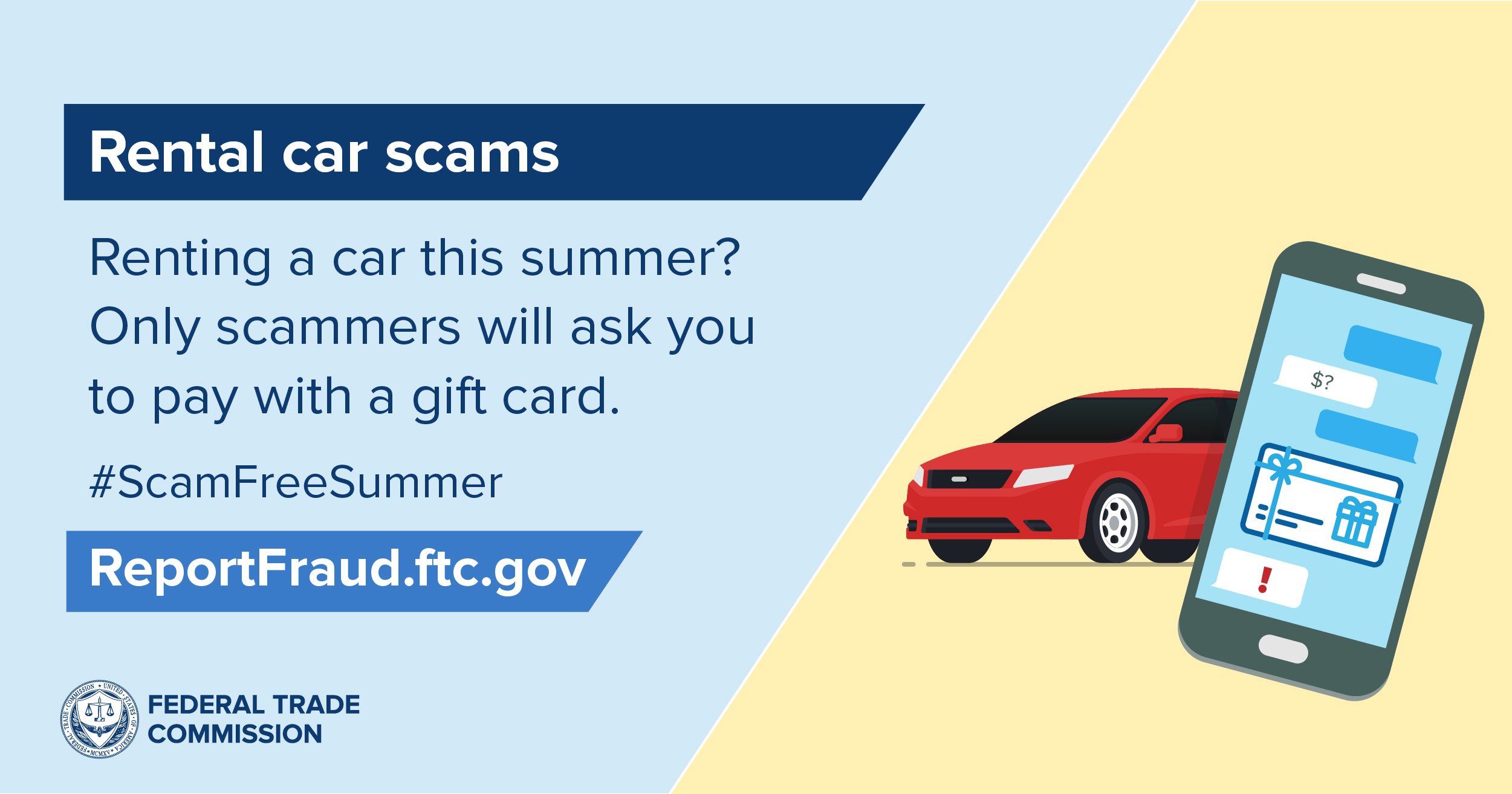
Scammers are posing as rental car companies, setting up their own websites, and advertising fake customer service phone numbers, all to convince travelers they’re legit. Then, they’re asking people to pre-pay for the rental — with a gift card or prepaid debit card. To avoid rental car scammers driving off with your money:
- Research the rental car company by searching for the name of the company and words like “scam,” “complaint,” or “review” to check if other people have had a bad experience.
- Verify deals with the company directly. If you need customer support, look for contact info on the company’s official website. Don’t use a search engine result. Scammers can pay to place sponsored ads in search results, so they show up at the top or in the sponsored ad section.
- Pay with a credit card if possible, and never pay with a gift card or prepaid debit card. You can dispute credit card charges, but gift cards and prepaid debit cards can disappear like cash. Once you give the number and PIN to a scammer, the money is gone.
Before you rush to book that miraculously available rental car, take a beat and read up about things you should consider when renting a car. If you spot a rental car scam, tell the FTC at ReportFraud.ftc.gov.
Brought to you by Dr. Ware, Microsoft Office 365 Silver Partner, Charleston SC.


Recent Comments